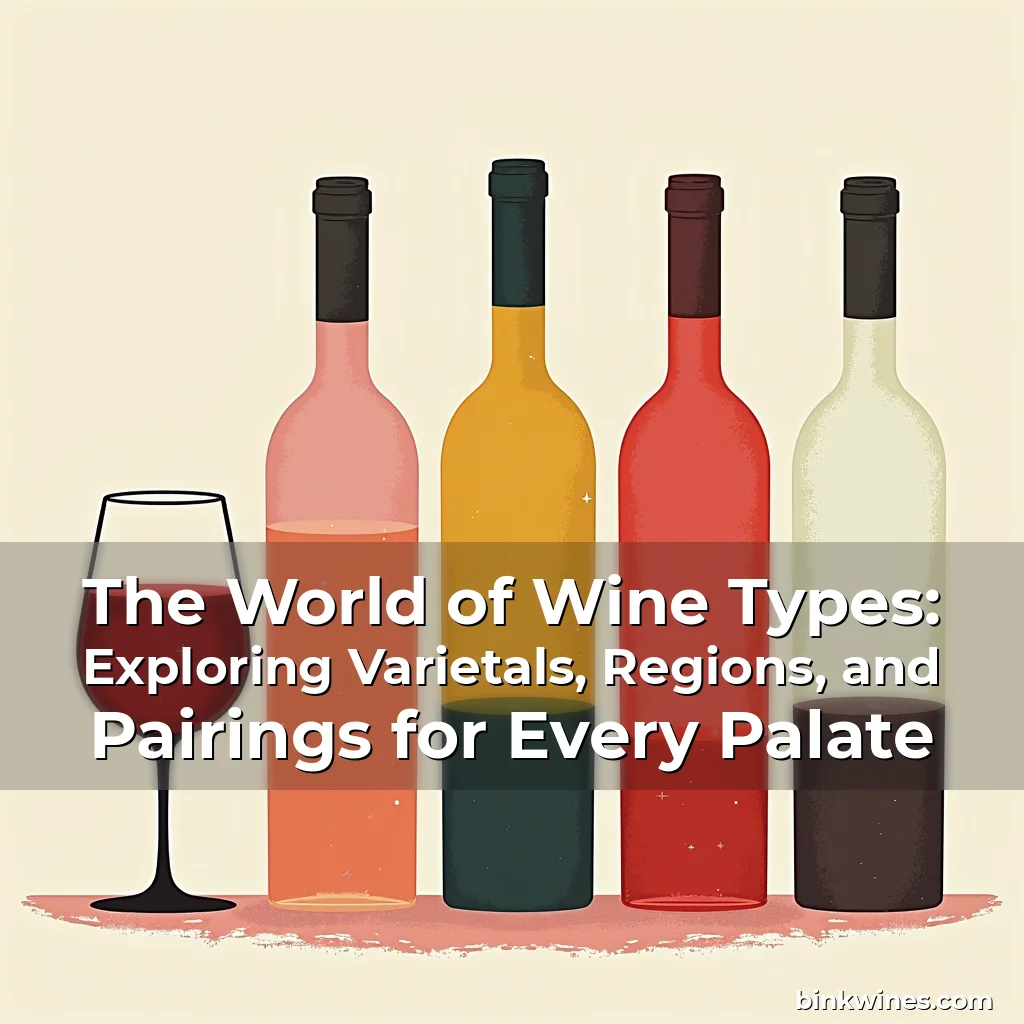
The World of Wine Types: Exploring Varietals, Regions, and Pairings for Every Palate
Welcome to an immersive journey through the vast and fascinating world of wine types. Whether you’re a seasoned connoisseur or a curious novice, understanding different kinds of wines can transform your tasting experience from casual sipping to a deeper appreciation of flavor profiles, regional influences, and cultural significance.
This guide delves beyond basic categorizations to explore how factors such as grape varietals, climate conditions, fermentation processes, and aging techniques shape each bottle’s character. From bold reds to crisp whites, sparkling sensations to fortified delights, we’ll uncover what makes every type of wine unique—and why they pair so beautifully with food and occasion alike.
The Foundations of Wine Classification
At its core, classifying wines involves examining three primary categories: color, sweetness level, and production method. These elements form the foundation upon which all other classifications are built, offering drinkers a framework to navigate the diverse landscape of available options.
Red wines derive their hue from extended contact between crushed grapes and skins during fermentation—a process known as maceration—which imparts tannins responsible for structure and longevity. White wines skip this step entirely by pressing juice away before any skin exposure occurs, resulting in lighter bodies and crisper acidity levels typically associated with these varieties.
Sweetness levels range widely across styles; dry wines contain minimal residual sugar while dessert wines boast high concentrations due to specialized harvesting methods or late harvest techniques involving botrytis cinerea mold (noble rot). Understanding where a particular wine falls within this spectrum helps determine appropriate serving temperatures and ideal food pairing possibilities.
Production methods also play crucial roles in defining characteristics—sparkling wines undergo secondary fermentation inside bottles creating effervescence whereas fortified wines receive additional alcohol via brandy additions post-fermentation giving them higher ABVs than regular table wines.
- Color-based classification: Red vs white wines based primarily on grape variety used along with fermentation practices.
- Sugar content differentiation: Dry, off-dry, semi-sweet, sweet categories determined through winemaking choices including when fruit is harvested.
- Aging potential indicators: Tannin presence affects long-term storage suitability making some vintages better suited for cellaring over others.
By grasping these foundational principles early on, enthusiasts gain greater confidence navigating wine lists at restaurants or selecting bottles for personal collections without feeling overwhelmed by seemingly endless choices presented annually around holidays like Valentine’s Day or Thanksgiving feasts.
Varietal Wines: The Influence of Grape Species
Grape species serve as fundamental building blocks shaping nearly all modern commercial wines today. While thousands exist globally only dozens achieve international recognition thanks largely to centuries-old traditions surrounding viticulture combined with geographical constraints limiting cultivation areas suitable for certain vines.
Merlot stands out among red varietals for producing soft yet complex flavors featuring notes ranging from black cherry to plum alongside subtle herbal undertones often described as “velvety” or “smooth.” This Bordeaux-originated grape thrives best under moderate climates allowing gradual ripening periods essential for developing full-bodied textures preferred worldwide especially amongst those new to exploring robust reds.
Cabernet Sauvignon offers another classic example showcasing power through thick skins yielding intense dark berry aromas paired with firm tannic structures capable supporting extensive oak aging programs commonly seen in premium Napa Valley bottlings. Its versatility extends beyond standalone consumption serving equally well as blending components enhancing overall balance found in many Super Tuscan blends originating from Italy’s Chianti region.
On the opposite end lies Pinot Noir whose delicate nature requires precise growing conditions characterized mainly by cool temperatures ensuring slow maturation rates preserving vibrant cranberry-like qualities without overpowering acidity levels usually absent in heavier red counterparts.
White varietal dominance comes courtesy of Chardonnay, arguably most influential single grape variety impacting global markets since mid-twentieth century onwards. Initially cultivated predominantly in Burgundy France its reputation expanded rapidly following successful plantings elsewhere notably California’s Sonoma County leading way toward New World interpretations featuring buttery richness achieved via malolactic conversion processes differing significantly from traditional European approaches emphasizing minerality instead.
Riesling represents another standout performer within whites category distinguished primarily by pronounced acidity levels coupled with floral bouquet comprising elements such as peach blossom mixed seamlessly with green apple freshness typical northern German Alsatian expressions versus sweeter Australian versions favored locally for accompaniment with spicy cuisines common Down Under.
In addition there exists whole host lesser-known but increasingly popular alternatives gaining traction recently owing partly increased consumer interest towards sustainable agriculture practices aligning closely with organic farming standards practiced extensively nowdays particularly among boutique producers focusing exclusively on terroir-driven expressions rather mass-produced industrial outputs lacking distinctiveness otherwise.
These examples illustrate how individual grape selections dictate not merely taste profiles but also broader implications regarding health benefits linked specifically certain compounds present naturally within skins pulp seeds etc., thereby influencing dietary recommendations made professionals advising patients suffering chronic diseases requiring controlled intake alcohol consumption limits while still enjoying occasional indulgences responsibly.
Regional Specialties: How Geography Shapes Flavor Profiles
No discussion about wine types would be complete without acknowledging profound impact geography exerts over final product quality consistency uniqueness inherent each vintage produced anywhere globe. Climate patterns soil composition topographical features all contribute synergistically determining which grape varieties flourish optimally leading emergence distinctive regional identities recognized universally by experts amateurs alike.
Tuscany exemplifies perfectly how localized environmental factors create signature styles synonymous entire regions. Sangiovese grape dominates here accounting majority vineyard plantings because ideal combination temperature fluctuations humidity levels permits development balanced acidity necessary crafting structured medium-bodied reds perfect complementing rustic Italian cuisine rich tomato sauces grilled meats aged cheeses.
Bordeaux contrasts sharply offering cooler maritime climate favoring Cabernet Sauvignon Merlot blends achieving greater complexity depth compared warmer inland zones less favorable for same cultivars. Here grand crus classes established centuries ago reflecting strict hierarchies dictating prestige assigned various châteaux depending historical performance records quality assessments conducted regularly independent organizations monitoring adherence standards set forth original classification system dating back 1855.
New World regions challenge conventional wisdom proving sometimes even surpass Old World counterparts despite younger histories shorter tradition spans. California Napa Valley has become iconic symbol American fine wines thanks pioneering efforts turned innovative techniques applied consistently across generations resulting benchmarks against which emerging countries measure progress ambitions seeking establish reputations comparable established giants Europe South America Australia.
Chilean valleys showcase remarkable diversity demonstrating ability adapt different microclimates simultaneously supporting wide array indigenous foreign species. Maipo River valley produces powerful Malbecs similar Argentinean versions while Casablanca Valley closer Pacific coast yields aromatic Sauvignon Blancs rivaling Marlborough equivalents New Zealand famed for intensity tropical fruit characters.
South African Stellenbosch region reveals further proof globalization allows cross-pollination ideas technologies enabling local producers refine skills elevate standards reaching international acclaim previously unimaginable given limited resources available decades past.
Each location tells story shaped deeply rooted connection land people who cultivate tend harvest yearly cycle reinforcing notion authenticity stems direct relationship between grower environment ultimately reflected glass poured into elegant crystal stemware enjoyed gatherings celebrations quiet evenings spent appreciating nuanced layers unfolding slowly sip after careful consideration.
Sparkling Wines: Bubbles That Define Celebration
Sparkling wines stand apart from still counterparts due presence bubbles created through secondary fermentation occurring either inside sealed containers post-fermentation stage known traditionally as méthode champenoise or alternative processes utilized commercially reducing time costs involved manual labor required original technique developed French Champagne houses seventeenth century.
Champagne remains quintessential representation of sparkling excellence derived solely from three permitted grape varieties—Pinot Noir, Pinot Meunier, Chardonnay—grown exclusively within designated areas referred collectively as “terroirs.” These zones ensure consistent quality control maintaining rigorous standards upheld industry leaders guaranteeing consumers receive genuine articles worthy celebrating special occasions milestones life events.
Prosecco hails from Veneto region Italy employing tank method (metodo Charmat) wherein second fermentation takes place pressurized steel tanks rather individual flûtes allowing quicker production cycles lower prices accessible wider audience preferring refreshing light bodied effervescent drinks consumed casually rather formal settings reserved for true champagne aficionados.
Pétillant Naturel (Pét-Nat) presents interesting deviation trending currently among natural wine movement proponents valuing minimal intervention philosophy embracing imperfections resulting spontaneous fermentations bottled prematurely capturing initial stages carbonation development yielding uniquely textured fizzy beverages exhibiting irregular bubble sizes varying mouthfeel characteristics distinguishing them clearly from more uniform experiences provided mainstream brands.
Dessert sparklers such as Asti Spumante offer sweet alternatives featuring Moscato d’Asti grape variety processed similarly Prosecco though retaining significant residual sugars lending honeyed apricot scents delightful accompaniments afternoon tea sessions desserts requiring gentle pairings avoiding overwhelming palate.
Understanding distinctions between these subcategories enhances enjoyment enables informed decisions matching specific moods situations whether hosting grand dinner parties needing serious bubbly statement pieces or simply wanting uplifting lift during mundane weekday lunches requiring nothing more than invigorating fizz to brighten spirits temporarily escape daily grind.
Fortified Wines: Strength Through Spirit Infusion
Fortified wines represent unique subset strengthened additional spirit typically brandy added midway through fermentation process increasing alcohol content above normal table wine levels allowing longer shelf lives enhanced stability particularly relevant historically transporting goods overseas prior refrigeration availability.
Port wine originates Portugal where Douro Valley slopes provide ideal conditions cultivating native Touriga Nacional and other noble grape types destined transformation into ruby ports famous deep garnet hues intense fruity profiles dominated raisined fig prune characteristics softened slightly by prolonged wood aging procedures executed carefully monitored warehouses situated along riverbanks facilitating easy access shipments bound Britain Americas.
Madeira differs significantly undergoing oxidative aging deliberately exposing casks open air promoting formation complex nutty caramelized flavors reminiscent toasted almonds pecans chocolate making this versatile option excellent digestif served warm after heavy meals helping settle stomachs ease digestion process naturally.
Sherry finds its home Andalusia Spain classified according six main categories based solera system managing blending old young stocks maintaining consistent house style irrespective annual variations affecting raw materials. Fino sherries remain pale straw colored low alcohol content due biological aging using flor yeast layer preventing oxidation whereas Oloroso sherries develop darker amber tones higher strength obtained through oxidative aging absence protective yeasty film.
Vermouth serves dual purpose both cocktail base ingredient standalone apéritif incorporating botanical infusions providing aromatic dimension appreciated pre-meal refreshments aiding appetite stimulation preparing palates subsequent courses ahead. Typically flavored with wormwood alongside citrus peels spices herbs contributing medicinal bitterness offset by sweeteners adjusted precisely balancing act achieved masterful craftsmanship behind creation every bottle sold globally.
Recognizing differences among fortified varieties enriches drinking experience expands horizons beyond standard expectations encouraging experimentation combining unexpected combinations discovering hidden gems overlooked everyday supermarket shelves awaiting discovery by adventurous souls willing take chances explore uncharted territories offered world’s finest fortified creations.
Dessert Wines: Sweetness Perfected Through Nature’s Hand
Dessert wines epitomize luxury indulgence crafted intentionally heightened sugar concentrations achieved naturally through meticulous agricultural interventions manipulating climatic variables to enhance grape sweetness levels before harvest season commences.
Botrytised wines represent pinnacle achievement within this category relying on noble rot phenomenon caused by Botrytis cinerea fungus dehydrating berries concentrating sugars acids intensifying aromatic complexity particularly evident Sauternes Barsac regions France producing legendary Semillon Sauvignon Blanc blends renowned golden honeyed apricot nuances revered collectors investors alike.
Late Harvest wines follow similar principle although utilizing selective picking times permitting extended hangtime allowing grapes reach optimal ripeness without premature spoilage risks associated overly wet seasons. Riesling Late Harvest versions Germany Austria exhibit electrifying acidity contrasting sugary cores creating thrilling tension mouths ideal paired decadent chocolate cakes cheesecakes demanding bold flavor statements capable holding their own against rich fatty textures.
Sigüenza Sherry presents intriguing variation Spanish specialty employing sun-dried grape technique drying bunches intensely before fermentation begins effectively amplifying sweetness without need artificial additives preservatives maintaining pure expression fruit origins preserved meticulously throughout entire production lifecycle.
Ice wines originate Northern Hemisphere regions experiencing sufficiently cold winters enabling freezing grapes manually harvested thawed pressed extracting concentrated nectar possessing crystalline clarity unmatched any other method producing ice wine unique identity defined extreme conditions required creating miracle liquid savored few privileged individuals fortunate enough witness birth such exquisite treasures.
Exploring these exceptional offerings elevates sensory adventures transforms simple moments into memorable encounters filled wonder appreciation artistry involved transforming humble fruits into ambrosial elixirs worthy celestial beings themselves.
Wine Pairing Principles: Enhancing Flavors Through Thoughtful Combinations
Pairing wines with foods transcends mere convenience evolving sophisticated science artistry aimed harmonizing complementary contrasts enhancing mutual enjoyment experienced simultaneously. Key considerations include weight texture intensity levels ensuring neither component overwhelms other diminishing pleasure derived both elements united together cohesively.
General rule suggests matching weight meaning lighter bodied wines ideally accompany salads seafood fish whereas fuller bodied counterparts excel accompanying meat dishes hearty stews comfort foods requiring substantial gustatory support counterbalance richness fats prevalent such fare.
Acidity plays vital role too acting natural cleanser cutting through greasy fried items restoring palate equilibrium preventing dullness ensuing meal progression. Crisp acidic whites prove invaluable partners battered chicken wings crispy fries contrasted against creamy cheeses melted atop crusty breads necessitating sharpness cut through velvety smoothness.
Tannins exert considerable influence particularly red wines possessing grippy mouthfeeling qualities beneficial interacting proteins contained animal products beef lamb venison etc., thereby softening harsh edges leaving behind pleasant lingering finish rather unpleasant metallic sensations commonly reported inexperienced drinkers unfamiliar intricacies involved.
Sweetness factor must never neglected either; desserts require corresponding degree sweetness lest risk rendering entire endeavor futile. Fortified wines fortified wines offer solution here boasting elevated sugar contents sufficient overpowering bitter notes inherent dark chocolates molten caramels caramelized nuts ensuring harmony maintained throughout dining experience.
Regional specialties often suggest innate affinities existing longstanding associations between locale-specific ingredients and native vintages cultivated nearby fostering symbiotic relationships benefiting both sides mutually. Classic combinations include Barolo Risotto alla Milanese or Rioja Paella demonstrating respect traditions honoring heritage while embracing contemporary innovations reshaping culinary landscapes dynamically ever-changing.
Mastering these fundamentals unlocks gateway infinite possibilities enabling exploration countless permutations tailored personal preferences occasions desires guiding selection path toward ultimate satisfaction achievable through thoughtful deliberate pairings crafted lovingly with care precision attention detail.
Emerging Trends and Innovations in Modern Winemaking
As the wine industry continues to evolve, several exciting trends have emerged that reflect changing consumer preferences and technological advancements. One notable shift involves sustainability initiatives aimed at minimizing environmental impact throughout the entire production chain—from vineyard management to packaging solutions adopted by forward-thinking producers committed to ecological stewardship.
Eco-friendly practices encompass organic certification programs eliminating synthetic pesticides herbicides replacing them with biodynamic methodologies respecting lunar calendars timing treatments accordingly maximizing efficacy reducing chemical residues leaching soils groundwater sources negatively affecting biodiversity ecosystems reliant healthy functioning environments maintained consistently over generations.
Water conservation measures implemented vineyards facing drought challenges utilize drip irrigation systems delivering moisture directly roots avoiding wasteful evaporation losses observed overhead sprinkler setups prone inefficiencies especially arid climates experiencing frequent water restrictions imposing operational limitations upon growers striving maintain yield volumes expected market demands.
Renewable energy integration becomes increasingly commonplace powering facilities solar panels wind turbines harnessing natural forces generating clean electricity sustaining operations without reliance fossil fuels contributing greenhouse gas emissions exacerbating global warming concerns already alarming scientists predicting dire consequences unless immediate action taken mitigate damage inflicted planet Earth.
Minimalist approaches gain traction challenging conventional norms advocating restraint rather excess in terms grape manipulation emphasizing transparency regarding interventions performed during vinification phases. Natural wines embrace wild yeast ferments eschewing commercial strains favoring spontaneity unpredictability inherent fermentation processes yielding distinctive expressions reflective terroir authenticity sought after purists rejecting homogenization results industrialized mass productions prioritizing efficiency profit margins over qualitative nuances.
Technological breakthroughs revolutionize everything from precision viticulture leveraging satellite imaging sensors detecting stress signals vines preemptively addressing issues before becoming critical problems threatening crop viability. Artificial intelligence algorithms analyze data streams optimizing resource allocation scheduling tasks efficiently improving productivity without sacrificing quality standards upheld esteemed institutions setting benchmarks others aspire emulate.
Consumer demand drives innovation continuously pushing boundaries expanding horizons opening avenues previously unexplored. By staying attuned current developments remaining flexible adapting strategies appropriately ensures continued relevance amidst rapid transformations occurring constantly within dynamic field requiring perpetual learning growth maintenance competitive edge sustained success enduring appeal future generations discover appreciate cherish.
Conclusion: A Journey Worth Continuing
From understanding the foundations of wine classification to exploring regional specialties and emerging trends, this journey through the world of wine types unveils a universe brimming with knowledge, culture, and personal discovery. Each bottle holds stories of terroir, tradition, and innovation waiting to be uncovered by those eager to learn more.
Whether you’re savoring a crisp white at lunch or unwrapping a rare vintage for a special celebration, remember that every sip is an opportunity to deepen your appreciation for the craft behind the glass. Keep tasting, keep asking questions, and let curiosity guide your next adventure into the wonderful realm of wine.

news is a contributor at BinkWines. We are committed to providing well-researched, accurate, and valuable content to our readers.