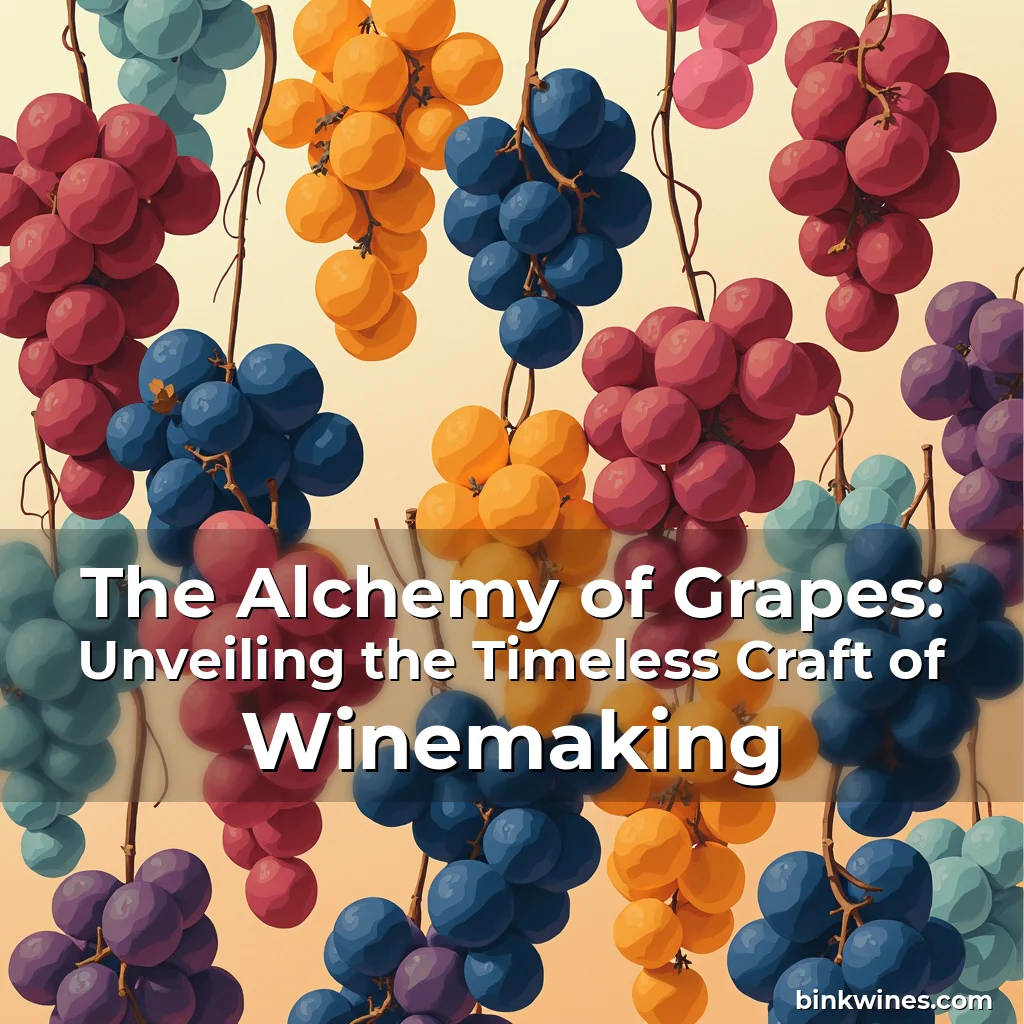
The Alchemy of Grapes: Unveiling the Timeless Craft of Winemaking
In the heart of rolling vineyards and sun-drenched cellars lies an ancient practice that transforms humble grapes into liquid gold—a symphony of science and art known as winemaking. This intricate craft blends centuries-old traditions with cutting-edge technology, creating beverages cherished worldwide.
Beyond its sensory delights, winemaking carries profound cultural significance, shaping economies, social rituals, and even global trade routes since antiquity. Understanding this complex process offers insight into the world behind every bottle we uncork.
Cultivating Excellence: From Vineyard Selection to Harvest Timing
Selecting the right location for vineyards begins long before the first buds appear. Soil composition determines not only nutrient availability but also influences flavor profiles through mineral absorption during growth cycles.
Vineyard orientation plays a critical role too; south-facing slopes in temperate regions maximize sunlight expo Elevation variations affect temperature fluctuations, impacting sugar development rates significantly.
- Soil Types: Clay soils retain moisture well, ideal for drought-prone areas, whereas sandy loam provides good drainage preventing root rot issues.
- Climate Zones: Mediterranean climates offer optimal conditions due to warm days paired with cool nights, preserving acidity levels vital for balance in finished wines.
Precision viticulture uses satellite imaging now to monitor vine health continuously. Sensors track factors like leaf water potential and fruit maturity indices down to individual plants.
Harvest timing remains one of the most crucial decisions affecting wine quality. Early picking preserves freshness but may lack complexity, while delayed harvests increase alcohol content potentially overpowering delicate aromas.
The Crucible of Creation: Fermentation Processes Explored
Fermentation marks the dramatic transformation phase where sugars become alcohol under yeast activity. This biochemical reaction occurs naturally or via inoculated cultures depending on desired outcomes.
Temperature control is paramount here; white wines typically ferment cooler (around 18°C) to preserve aromatic compounds, unlike red varieties requiring warmer environments (25-30°C) for deeper extraction.
Differentiating Primary vs Secondary Fermentations
Primary fermentation converts grape juice into base wine over 1-2 weeks. During this time, lees management becomes important as contact with dead yeast cells adds texture and complexity.
Malolactic fermentation follows in many red wines, converting harsh malic acid into softer lactic acid. This secondary process reduces perceived tartness and enhances mouthfeel characteristics.
Winemakers often choose stainless steel tanks for whites offering neutral environments versus oak barrels imparting tannins and vanillin notes in red production.
Wild yeasts can introduce unpredictability but contribute unique terroir expressions. Commercial strains guarantee consistency though may limit distinctive regional identities.
Mastery of Aging Techniques: Oak Influence & Cellar Secrets
Aging allows wines to develop complexity through micro-oxygenation and chemical evolution. Barrels made from various woods influence these transformations differently based on grain density and charring levels.
Oak barrels historically crafted from French Allier or American Quercus species dominate modern practices. Toast levels determine how much vanilla aroma is released during maturation phases.
- New vs Old Barrels: New barrels impart stronger woody flavors initially, while older ones primarily allow controlled oxygen exchange without adding character.
- Barrel Size Impact: Smaller format barrels (like 225L puncheons) accelerate oxidation compared to larger casks maintaining more stable environments.
Sommeliers sometimes prefer concrete eggs for aging because they maintain cold temperatures better than wood, preserving primary fruit qualities longer.
Extended maceration times after pressing extract additional color pigments and phenolic compounds enhancing structure in bold reds. This technique risks over-extraction leading to bitter finishes if mismanaged.
Artistry in Action: Blending Practices Across Wine Styles
Blending is both science and intuition, combining different varietals or vintages to achieve harmony in flavor profiles. It’s particularly common in Bordeaux-style blends or Champagne cuvées where multiple components unite seamlessly.
Winemakers analyze parameters like pH levels, total acidity, and tannin structures before blending. These measurements guide proportions chosen to complement rather than compete among constituents.
Reserve wines often consist of specially selected lots aged separately for years before being integrated into flagship releases. This approach builds depth unmatched by single-vineyard bottlings alone.
Some producers employ micro-oxygenation systems during blending stages to soften aggressive tannins without exposing wines prematurely to air.
Modern technology enables precise dosing of enzymes or fining agents post-blend to clarify liquids efficiently without sacrificing expressive qualities inherent in natural products.
The Final Act: Bottling Innovations and Post-Production Care
Bottling concludes the physical transformation journey, sealing in the essence captured through prior steps. Contemporary methods prioritize hygiene standards alongside aesthetic presentation considerations simultaneously.
Vacuum-sealed closures prevent cork taint risks entirely, although traditional screw caps remain popular for sparkling wines needing consistent pressure maintenance inside containers.
Critical filtration steps remove unwanted particles ensuring clarity while protecting organoleptic properties developed through aging processes. Cross-flow filters excel at achieving this without damaging delicate molecules.
Post-bottling storage conditions matter greatly; fluctuating temperatures can cause premature aging or spoilage. Optimal environments maintain around 12-16°C consistently without light exposure.
Labeling regulations vary globally, influencing design choices from minimalist approaches emphasizing provenance statements to elaborate artistic depictions showcasing vineyard landscapes.
Evolving Horizons: Sustainable Practices Redefining Modern Winemaking
Sustainability initiatives now shape nearly every aspect of contemporary viticulture operations. Organic farming prohibits synthetic pesticides altogether while biodynamic practitioners follow lunar calendars dictating work schedules.
Water conservation technologies include drip irrigation systems delivering exact quantities directly at roots minimizing waste. Solar panels power winery facilities reducing reliance on non-renewable energy sources dramatically.
Carbon footprint calculations drive efforts toward net-zero emissions goals. Some estates offset residual impacts through reforestation projects compensating for unavoidable environmental effects associated with production volumes.
Biodegradable packaging alternatives replace plastic bottles wherever feasible, though glass remains preferred for its inert nature protecting contents from external contaminants effectively.
Research continues exploring carbon capture solutions integrating wineries into broader climate mitigation strategies benefitting local ecosystems surrounding production sites simultaneously.
Preserving Heritage: Traditional Methods Worth Preserving
Time-honored techniques persist despite technological advances, valued for their ability to express terroir authentically. Hand-picking grapes ensures selective harvesting maintaining quality standards rigorously.
Traditional amphorae vessels used in Georgia or clay jars employed by Greeks demonstrate ancient methods still relevant today for producing unique styles appreciated by connoisseurs seeking alternative experiences.
Cold stabilization prevents tartrates from forming in bottled wines, yet proponents argue it strips vibrancy from natural expression preferring minimal intervention philosophies instead.
Decanting aerates young reds softening tannins temporarily though doesn’t alter intrinsic qualities permanently. Proper decanters avoid oxygen ingress beyond what’s beneficial for unlocking bouquet nuances gradually.
Appreciation grows steadily for indigenous grape varieties previously overshadowed by international favorites. Revitalization campaigns celebrate biodiversity strengthening resilience against disease outbreaks and climate change threats collectively.
Conclusion
Winemaking encapsulates humanity’s enduring quest to transform nature’s bounty into shared pleasure through ingenuity and reverence for tradition. Every drop reflects generations of accumulated wisdom applied skillfully amidst ever-changing challenges faced by growers and makers alike.
To truly appreciate fine wine, consider visiting local vineyards or attending tastings hosted by knowledgeable professionals who can illuminate subtleties hidden beneath layers of complexity waiting patiently to be discovered by curious palates everywhere.

news is a contributor at BinkWines. We are committed to providing well-researched, accurate, and valuable content to our readers.