Unlocking the Art of Wine Tasting: A Journey Through Senses and Techniques
Welcome to the world of wine tasting—a sensory adventure that transforms liquid into experience. Whether you’re sipping a bold Cabernet Sauvignon or a crisp Pinot Grigio, every pour tells a story shaped by climate, soil, and tradition. Understanding these nuances begins with mastering the fundamentals of wine appreciation.
This guide explores everything from essential tools to advanced techniques, empowering both novices and connoisseurs alike. Discover how to unlock hidden layers of flavor and build confidence in your palate, turning casual sips into profound discoveries.
Understanding the Fundamentals of Wine Tasting
At its core, wine tasting is a deliberate process rooted in observation, analysis, and interpretation. It involves engaging all five senses—sight, smell, taste, touch, and even sound—to evaluate a wine’s characteristics. Each element contributes uniquely to the overall experience, forming a holistic picture of quality and origin.
A well-rounded approach starts with appearance. Holding the glass against a white background allows you to assess color intensity, clarity, and viscosity. These visual cues provide initial clues about the wine’s age, grape variety, and potential complexity.
- Color: Red wines range from ruby to brick, while whites shift from pale gold to deep amber depending on aging and grape type.
- Viscosity: Legs clinging to the glass indicate higher alcohol or sugar content, often linked to fuller-bodied styles.
The next critical step is aromatics—the bouquet that precedes taste. Swirling the wine aerates it, releasing volatile compounds that define its scent profile. From floral notes to earthy undertones, these aromas set expectations before the first sip.
Essential Tools for Enhancing Your Wine Tasting Experience
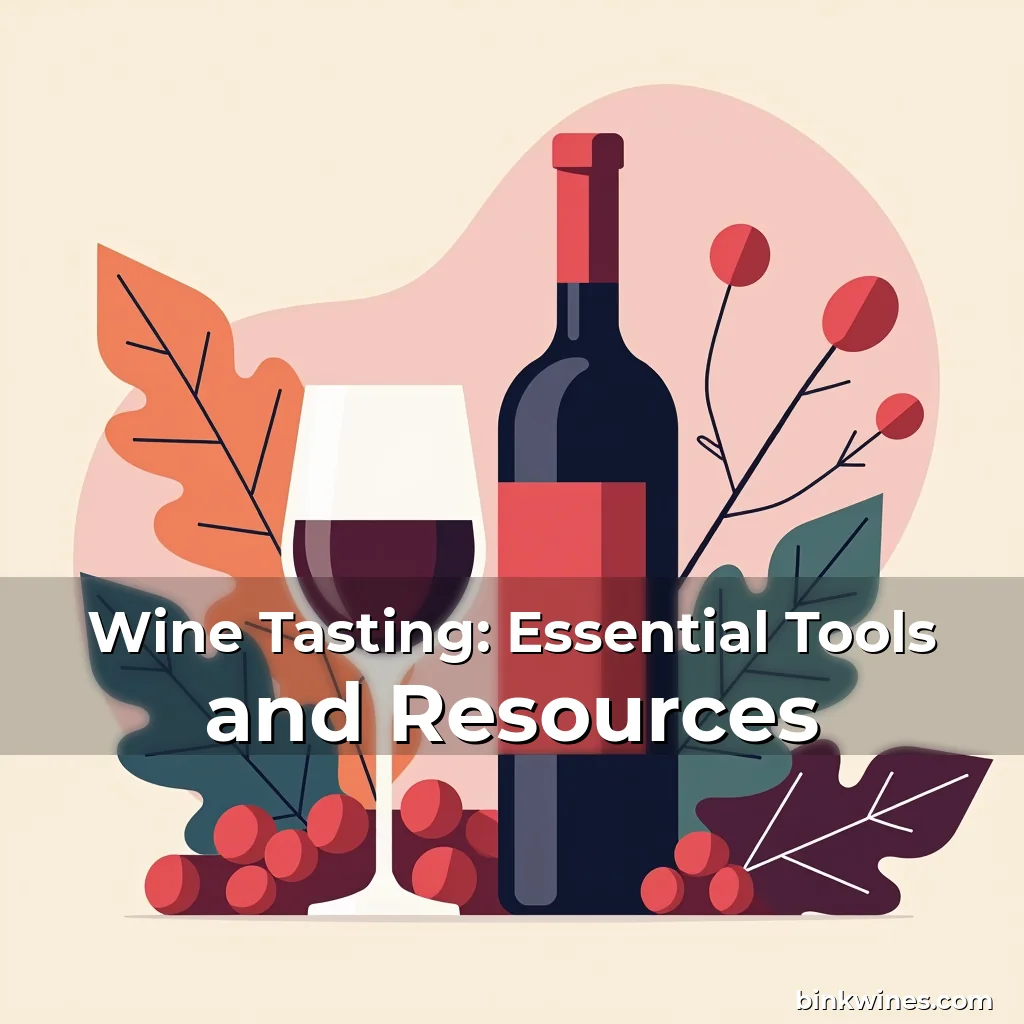
Elevate your tasting sessions with purposeful tools designed to optimize perception. While simplicity is key, certain instruments enhance precision and comfort during evaluation. Investing in high-quality equipment ensures consistency across tastings.
A stemmed glass with a wide bowl is ideal for observing color and swirling without spilling. Decanters help aerate older wines, softening harsh tannins and unlocking dormant aromas. A reliable corkscrew guarantees effortless access to bottles, preserving cork integrity for future pours.
Specialized Glassware for Different Varietals
Selecting the right glass amplifies a wine’s expression. Bordeaux-style glasses feature tall bowls suited for robust reds, directing airflow to intensify aromas. Burgundy glasses, narrower and fluted, concentrate scents for delicate pinots. White wine glasses prioritize thin walls to maintain optimal serving temperatures.
Sommeliers also use tulip-shaped glasses for sparkling wines, trapping effervescence while allowing controlled release of bubbles. Even crystal stemware reduces interference from hand warmth, ensuring accurate temperature assessment.
The Science Behind Flavor Perception
Flavor perception occurs through complex interactions between taste buds, olfactory receptors, and neural pathways. While we commonly associate taste with sweet, salty, sour, bitter, and umami, most perceived flavor comes from smell.
Volatile aromatic compounds travel through nasal passages to the olfactory bulb, which connects directly to the limbic system responsible for memory and emotion. This explains why certain wines evoke vivid recollections or emotions tied to past experiences.
Temperature plays a crucial role in aroma release. Cooler temps suppress volatile molecules, reducing fragrance intensity. Warmer temps increase evaporation rates, enhancing perceptible aromas but potentially overwhelming the palate.
Tactile sensations contribute significantly too. Mouthfeel encompasses texture, weight, and residual sensation. High-tannin wines feel drying due to polyphenol interaction with saliva proteins, while glycerol-rich wines impart a smooth, oily mouthfeel.
Mastering the Tasting Process Step-by-Step
A systematic approach ensures thorough evaluation of each wine. Begin with preparation—serve at recommended temperatures using a thermometer for precision. Maintain consistent lighting to accurately observe color shifts across samples.
Gently swirl the glass to oxygenate the wine, then pause briefly to inhale deeply through the nose. Identify primary aromas (fruit, spice) followed by secondary notes (oak, fermentation) and tertiary elements (aging, oxidation). Record observations systematically for comparative analysis.
Prioritize small sips initially, focusing on immediate impressions rather than volume consumption. Allow the wine to coat the entire mouth before swallowing, noting lingering sensations in the throat and palate. Assess finish duration—an enduring aftertaste signals quality and complexity.
Compare multiple samples side-by-side when possible. Note variances in body weight, acidity levels, and structural balance. Document findings promptly to reinforce learning and track personal development over time.
Common Pitfalls Beginners Encounter During Wine Tasting
Fresh participants often rush through evaluations, missing subtleties present in slower assessments. Overconsumption leads to palate fatigue, dulling sensitivity to subsequent samples. Establishing a rhythm ensures consistent, objective comparisons.
Misidentifying descriptors is another frequent challenge. Confusing terms like “floral” with “herbal” or mistaking oak influence for winemaking technique hinders accurate descriptions. Building vocabulary through reference charts improves articulation skills.
Ignoring environmental factors impacts results dramatically. Strong ambient odors mask wine aromas, while excessive noise diverts attention from nuanced sensations. Creating an isolated space enhances concentration and sensory acuity.
Over-relying on preconceived notions skews perceptions. Assuming vintage scores dictate quality ignores individual preferences and context-specific pairings. Remaining open-minded fosters genuine discovery rather than confirmation bias.
Pairing Wines with Food: Elevating Both Experiences
Culinary harmony arises from balancing contrasting textures and complementary flavors. Acidity cuts through richness; bitterness offsets sweetness; umami intensifies savory components. Thoughtful pairings transform meals into multisensory feasts.
Red wines generally accompany hearty dishes featuring meat, cheese, or mushrooms. Full-bodied Cabernets complement grilled steaks, while lighter Pinots harmonize with roasted poultry. Whites excel with seafood, vegetables, and dairy-based courses.
Bold reds benefit from fatty foods that temper tannins. Chocolaty port pairs beautifully with dark chocolate desserts, creating layered flavor profiles. Sparkling wines invigorate appetizers and cheeses, cleansing palates between bites.
Experimentation yields unexpected delights. Try dessert wines with spicy cuisines—the sweetness balances heat, while fruitiness accentuates chili notes. Always consider portion sizes to prevent overpowering either component.
Exploring Regional Varietals and Their Unique Characteristics
Terroir—the combination of climate, soil, and topography—shapes distinct regional identities. French Burgundy produces elegant Pinots with red berry fruit, while Napa Valley Cabernets exhibit concentrated blackcurrant and vanilla notes from new oak barrels.
Old World wines tend toward restraint, emphasizing mineral-driven structures and subtle expressions of place. New World producers embrace ripe fruit intensity and innovative techniques, resulting in bolder, more expressive bottlings.
Italy offers diverse contrasts—from Amarone’s dried fig complexity to Prosecco’s citrus brightness. Spain’s Rioja blends Tempranillo with American oak influences, whereas Portugal’s Port wines showcase fortified intensity and oxidative character.
Continental regions like Germany produce Rieslings ranging from bone-dry to lusciously sweet, reflecting varying harvest dates and residual sugars. South Africa’s Chenin Blanc reveals tropical fruit dimensions absent in Loire Valley versions.
Hosting Successful Wine Tastings: Tips for Curators and Guests
Create inviting atmospheres conducive to focused engagement. Soft lighting prevents eye strain, while neutral décor avoids competing with wine colors. Ensure adequate ventilation to dissipate alcohol fumes affecting olfaction.
Organize flights logically—progress from lightest to fullest bodied wines to prevent palate confusion. Include vertical tastings showing evolution across vintages or horizontal comparisons highlighting stylistic diversity within a region.
Encourage interactive discussions by posing thought-provoking questions. Ask guests to identify dominant features, compare similarities/differences, or predict grape origins based solely on taste. Foster inclusivity by welcoming all perspectives regardless of expertise level.
Provide tasting sheets with guided prompts to standardize documentation. Include spaces for scoring each criterion separately—appearance, aroma, flavor, finish, and overall impression. Review collective feedback afterward to refine future events.
Advancing Your Palate: Continuous Learning Strategies
Regular exposure to diverse wines sharpens identification skills. Join local wine clubs offering structured tastings or participate in virtual masterclasses via platforms like MasterClass or Coursera. Engage with sommelier certification programs for formal education paths.
Maintain a wine journal tracking sensory impressions, price points, and personal preferences. Revisit entries periodically to notice evolving perceptions and pinpoint patterns influencing choices. Cross-reference notes with professional reviews for comparative insight.
Attend vineyard tours and cellar door tastings to deepen understanding of production methods. Observe fermentation tanks, barrel rooms, and bottling lines firsthand. Conversations with growers reveal invaluable knowledge about pruning techniques, harvest timing, and maturation practices.
Stay updated through industry publications and podcasts covering emerging trends, sustainability efforts, and technological innovations shaping modern viticulture. Follow influencers sharing curated selections and educational content tailored to various skill levels.
Conclusion
Wine tasting transcends mere consumption—it becomes an immersive exploration of culture, science, and artistry. By applying these principles consistently, you’ll cultivate a refined ability to appreciate nuance and expressiveness in every bottle encountered.
Embrace curiosity and experimentation as lifelong pursuits. Attend tastings regularly, document observations meticulously, and never cease questioning the stories behind each drop. With dedication, you’ll join ranks among those who truly understand the magic unfolding in every glass.

news is a contributor at BinkWines. We are committed to providing well-researched, accurate, and valuable content to our readers.