
The Evolution of Wine Trends: What’s Shaping Today’s Palates?
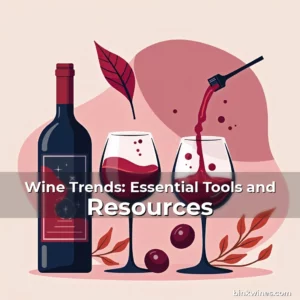
In recent years, wine has experienced an exciting transformation driven by shifting consumer preferences, technological advancements, and environmental awareness. From organic viticulture practices to innovative winemaking techniques, the world of wine is constantly evolving.
This evolution reflects not only changing tastes but also a growing desire among consumers to connect with sustainable and authentic products. As we explore these developments, you’ll discover how emerging trends are redefining what it means to enjoy a glass of wine today.
The Rise of Natural Wines
Natural wines have gained significant traction as consumers seek transparency and minimal intervention in their beverages. These wines are made from organically grown grapes using traditional methods without added sulfites or commercial yeasts.
Proponents argue that natural wines offer a purer expression of terroir while supporting environmentally conscious farming practices. This trend aligns perfectly with broader societal movements towards sustainability and health-conscious living.
Why They’re Popular:
- Minimal additives: Many natural wines contain little to no preservatives compared to conventional counterparts.
- Variability: Due to lack of stabilization processes, each bottle can exhibit subtle differences in taste and aroma.
- Sustainability: Organic grape cultivation reduces chemical usage, benefiting both soil quality and biodiversity.
While some critics question consistency due to production variability, many enthusiasts appreciate the uniqueness and authenticity associated with natural wines. Wineries producing these offerings often emphasize storytelling through labeling and direct-to-consumer sales models.
Sustainable Practices Take Center Stage
Eco-friendly initiatives are becoming standard rather than exceptional within the global wine industry. Vineyards worldwide are adopting regenerative agriculture techniques aimed at restoring ecosystems and reducing carbon footprints.
These efforts include cover cropping systems that enhance soil fertility, solar energy implementation across facilities, and water conservation strategies tailored to local climates. Such innovations demonstrate commitment beyond mere compliance with regulations.
Notable Examples:
- Certified organic vineyards use compost teas and beneficial insects instead of synthetic fertilizers/pesticides.
- Biodynamic farms follow lunar calendars for planting/harvesting cycles, believing cosmic influences affect plant growth patterns.
- Carbon-neutral shipping programs offset emissions generated during distribution phases.
Consumers increasingly prioritize brands demonstrating genuine environmental stewardship over those merely leveraging green marketing tactics. This shift encourages producers to innovate continuously while maintaining high-quality standards.
Rise of Low-Alcohol and Sparkling Alternatives
A growing segment of drinkers prefers lighter options that still deliver flavor satisfaction. Low-alcohol wines typically range between 5% ABV and 10%, offering reduced intoxication potential without compromising enjoyment levels.
Sparkling alternatives such as pétillant naturel (pet nat) provide effervescence similar to champagne but with simpler production methods. These fizzy creations appeal particularly to younger demographics seeking novel experiences.
Tips For Choosing Light Options:
- Look for labels indicating ‘light’ or ‘low alcohol’ designations.
- Try pet nats which often feature vibrant fruit notes paired with gentle bubbles.
- Explore de-alcoholized versions created through vacuum distillation preserving original flavors.
Health consciousness plays a crucial role here; however, so does curiosity about new formats challenging traditional consumption norms. Producers experimenting with hybrid styles continue pushing boundaries regarding texture and mouthfeel characteristics.
Diversity in Varietals Gaining Momentum
Historically dominated by Cabernet Sauvignon, Merlot, Chardonnay, and Pinot Noir, modern palates show increasing openness toward lesser-known varieties. Indigenous grapes once overshadowed by international favorites now receive renewed attention.
Regions specializing in native varietals showcase regional identities through unique flavor profiles shaped by centuries-old traditions. This movement fosters appreciation for cultural heritage alongside personal discovery journeys.
Emerging Stars Worth Trying:
- Poulsin: A French red grape known for its deep color and spicy undertones found primarily in the Loire Valley.
- Furmint: Hungary’s signature white grape used predominantly in Tokaji Aszú dessert wines featuring honeyed stone fruits.
- Glera: The primary grape behind Prosecco sparkling wines originating from northeastern Italy.
Wine bars and specialty stores actively curate selections highlighting these under-the-radar gems. Educating oneself through tasting events or online resources helps build confidence when exploring unfamiliar types.
Technology Enhancing the Drinking Experience
Innovative tools and platforms transform how people engage with wine, making exploration more accessible and enjoyable. Apps utilizing image recognition technology allow instant identification of bottles based solely on visual cues.
Virtual reality tastings enable remote participants to experience vineyard environments immersively before purchasing decisions. Smart glasses equipped with augmented reality features overlay information onto physical objects enhancing educational value.
Popular Tech Innovations:
- AI-powered recommendation engines suggesting pairings based on individual preference data collected over time.
- Blockchain tracking systems ensuring traceability from vine to glass verifying ethical sourcing claims.
- Home cellar monitoring devices alerting owners about optimal serving temperatures via mobile notifications.
These technologies bridge gaps between novices and experts alike while promoting responsible drinking habits through interactive learning modules integrated into digital interfaces.
Personalization Becomes Key Factor
Customization possibilities extend far beyond simple label choices now encompassing tailored blends crafted specifically for individual preferences. Some producers collaborate directly with customers to create bespoke vintages reflecting personal stories or milestones.
Data analytics inform personalized recommendations considering factors like climate conditions affecting grape ripeness rates along with historical sales trends predicting future demand fluctuations accurately.
Methods Behind Personalized Offerings:
- Consumer surveys gathering detailed feedback about preferred aromas/flavors intensities.
- Geolocation services determining proximity to ideal storage environments post-purchase.
- Subscription boxes delivering curated samples matching evolving taste profiles periodically.
This approach not only enhances customer loyalty but also allows smaller boutique operations to compete effectively against mass-market giants relying heavily on brand recognition alone.
Community Building Through Shared Experiences
Modern wine culture emphasizes connection rather than isolation, fostering inclusive spaces where knowledge sharing thrives naturally. Local clubs organize monthly meetups focusing on themed topics ranging from blind tastings to pairing workshops.
Online forums facilitate cross-border conversations enabling members from diverse backgrounds to exchange insights freely regardless of geographical limitations imposed by travel restrictions or work schedules.
Benefits Of Community Engagement:
- Access to exclusive releases unavailable elsewhere due to limited production runs.
- Mentorship opportunities connecting newcomers with seasoned professionals willing to share expertise generously.
- Collective bargaining power negotiating better pricing structures for bulk purchases.
Such networks empower individuals to navigate complex markets confidently while contributing positively towards cultivating a supportive ecosystem benefiting everyone involved.
Future Outlook And Emerging Frontiers
Looking ahead, several promising avenues await further development including lab-grown wines produced through cellular agriculture mimicking traditional fermentation processes using cultured yeast cells cultivated sustainably indoors.
Additionally, AI-driven predictive modeling could revolutionize harvest forecasting capabilities significantly improving yield estimates thereby minimizing waste risks inherent in unpredictable weather patterns impacting crop reliability annually.
Predictions For Upcoming Years:
- Increased adoption of vertical farming techniques allowing year-round grape cultivation independent of seasonal constraints.
- Integration of biodegradable packaging materials eliminating plastic residue concerns linked to conventional bottling solutions.
- Expansion of virtual sommelier services providing real-time guidance during social gatherings irrespective of location barriers.
As these innovations mature, they promise to redefine expectations around accessibility, affordability, and overall enjoyment associated with consuming fine wines globally. Staying informed remains essential for anyone wishing to remain engaged within this dynamic landscape continually reshaped by groundbreaking discoveries.
Conclusion
The current state of wine trends showcases remarkable progress driven by innovation, sustainability efforts, and enhanced connectivity among stakeholders worldwide. Understanding these shifts enables enthusiasts to make informed choices aligned with personal values and evolving interests.
By embracing change thoughtfully rather than resisting it out of habit, consumers contribute meaningfully towards shaping tomorrow’s beverage industry responsibly. Whether sampling natural wines or participating in tech-enhanced tastings, every interaction represents another step forward in celebrating humanity’s enduring love affair with fermented fruit juices.

news is a contributor at BinkWines. We are committed to providing well-researched, accurate, and valuable content to our readers.