The Art and Science of Crafting Exceptional Wine: A Journey Through Winemaking
Welcome to an exploration of winemaking—a blend of tradition, innovation, and passion that transforms simple grape juice into complex, flavorful wines cherished worldwide.
This journey through the intricate world of winemaking will uncover everything from vineyard management to fermentation techniques, offering insights tailored for both novice enthusiasts and seasoned wine producers within the BinkWines community.
Vineyard Foundations: Cultivating Quality Grapes
A great bottle of wine begins long before grapes are harvested; it starts in the vineyard where careful cultivation sets the stage for exceptional flavor profiles.
Fertile soil rich in minerals plays a crucial role in determining grape quality by influencing nutrient uptake and water retention capabilities essential for healthy growth.
Climatic conditions such as temperature fluctuations during ripening periods can significantly impact sugar levels and acidity balance—key factors shaping final wine characteristics.
Winemakers often select grape varieties based on their compatibility with local terroir, ensuring they thrive under regional climate patterns while expressing unique sensory qualities.
- Soil composition: Balanced mineral content supports robust root systems necessary for vigorous plant development.
- Irrigation practices: Controlled watering prevents overhydration but maintains adequate moisture for optimal fruit maturation.
Harvest Timing: The Crucial Moment of Decision
Determining when to harvest grapes is one of the most critical decisions made by vintners each season, affecting aroma intensity, tannin structure, and overall drinkability post-bottling.
Ripeness indicators like Brix measurements indicate sugar concentration levels reaching desired thresholds typically between 20°–26°Brix depending upon intended style preferences.
Early morning picking times help preserve delicate floral notes that might dissipate quickly under direct sunlight exposure later in day.
Weather forecasts play an instrumental role guiding harvest schedules; unexpected rain events could dilute flavors making timely action imperative for quality assurance purposes.
Fermentation Fundamentals: Transforming Juice Into Alcohol
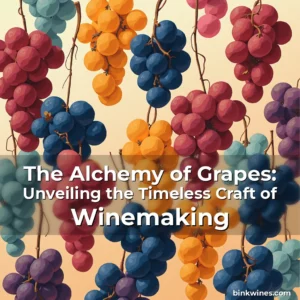
Fermentation marks the pivotal transition phase where natural sugars present within crushed berries convert into ethanol via yeast activity—an alchemical process central to creating alcoholic beverages we know today.
Temperature control remains paramount throughout this stage since excessive heat may kill beneficial microbes whereas too cold environments hinder efficient conversion rates leading potentially toward stuck fermentations issues.
Selecting appropriate yeast strains capable of thriving under specified ambient temperatures ensures consistent results across batches produced at different times throughout year cycle.
Additives such as enzymes aid cell wall breakdown processes facilitating better extraction efficiency particularly useful when working with thick-skinned red varietals aiming high pigment yields.
Barrel Aging Secrets: Enhancing Complexity Over Time
Post-fermentation aging provides opportunity for developing nuanced layers of taste complexity including smoother mouthfeel attributes achieved through gradual oxidation occurring inside wooden containers.
New oak barrels impart distinct vanilla-like aromas alongside subtle spice elements contributing depth especially favored among premium Cabernet Sauvignon or Bordeaux blends styles seeking enhanced structural integrity features.
Prolonged contact duration varies widely ranging anywhere from several months up until two full years contingent upon stylistic goals pursued whether emphasizing youthful vibrancy versus matured elegance characteristics respectively.
Regularly monitoring liquid levels within casks helps prevent unwanted evaporation losses which would otherwise concentrate alcohol percentages beyond desirable limits unless deliberately aimed towards fortified product categories instead.
Bottle Conditioning Techniques: Final Preparations Before Release
Once aged sufficiently, wines undergo clarification steps involving fining agents followed closely by filtration procedures designed remove residual particulate matter suspended throughout bulk liquids prior sealing bottles permanently.
Choosing suitable closures like cork stoppers vs screw caps depends largely upon consumer expectations regarding traditional aesthetics appeal versus modern convenience aspects associated contemporary packaging solutions currently available marketplaces globally.
Sterilization protocols must be strictly adhered during filling operations ensuring no microbial contamination occurs post-sealing thereby safeguarding against spoilage risks threatening entire production runs potentially ruined due poor hygiene measures taken improperly executed stages earlier phases processing chain.
Label design choices reflect brand identity values communicated visually through color schemes selected carefully matching target demographic preferences identified thorough extensive market research campaigns conducted regularly updated annually align current trends effectively.
Tasting & Evaluation Methods: Assessing Your Creation’s Potential
Evaluating newly crafted wines involves systematic tasting routines focusing primarily five key dimensions namely appearance clarity visual inspection color hue evaluation transparency assessment opacity measurement then moving sequentially through olfactory examination identifying primary secondary tertiary bouquet components subsequently analyzing palate sensations relating sweetness dryness tartness bitterness aftertaste longevity considerations finally concluding assessments regarding overall harmony balance achieved amongst individual elements comprising whole experience enjoyed consumers.
Professional sommeliers employ structured scoring methodologies assigning numerical ratings across various parameters allowing objective comparisons between different vintages helping determine readiness suitability commercial distribution channels applicable regions markets targeted specifically.
Homebrewers benefit immensely utilizing simplified checklists outlining basic criteria sufficient judging homemade creations without requiring advanced equipment resources usually reserved professional laboratories equipped sophisticated instruments capable detecting minute chemical variations imperceptible casual observers lacking specialized training backgrounds.
Consistency checks performed periodically throughout annual cycles ensure maintaining standards expected consistently regardless external variables influencing particular vintage performances varying yearly dependent climatological anomalies encountered growing seasons preceding harvest activities undertaken respective locations cultivating required raw materials.
Innovative Trends Shaping Modern Winemaking Practices
Recent advancements technology revolutionizing industry approaches sustainability becomes increasingly prioritized concern environmental stewardship driving adoption biodynamic farming methods organic certification programs emphasizing reduced pesticide usage promoting biodiversity conservation efforts preserving ecosystems surrounding vineyards operated responsible manner respecting nature rather exploiting its resources indiscriminately.
Data analytics tools now enable precise monitoring microclimates permitting real-time adjustments irrigation schedules optimizing resource allocation minimizing waste generation maximizing yield potential simultaneously enhancing quality outcomes achieved through informed decision-making supported empirical evidence gathered continuously tracked measured accurately throughout entire lifecycle operation.
Artificial intelligence applications assist predicting disease outbreaks early detection enabling preemptive interventions protecting crops saving millions dollars lost due unanticipated crop failures caused neglected maintenance insufficient preventive care provided traditionally relied upon human intuition alone previously.
Consumer demand evolving rapidly demanding greater transparency traceability origins ingredients prompting implementation blockchain technologies verifying authenticity origin stories shared digitally accessible platforms empowering buyers making educated purchases confident knowing exact provenance sources utilized crafting products consumed everyday lives.
Community Engagement Within BinkWines Ecosystem
BinkWines thrives upon active participation members sharing experiences knowledge fostering collaborative spirit essential sustaining vibrant online presence encouraging continuous learning opportunities expanding horizons beyond conventional understanding topics related viticulture enology disciplines explored here today.
Participating forums discussions allows exchanging ideas troubleshooting common challenges faced practitioners irrespective expertise level providing mutual support strengthening collective wisdom pool benefiting everyone involved striving excel craft producing remarkable wines appreciated worldwide audiences.
Virtual tastings organized frequently serve educational purpose teaching identification nuances different varietals reinforcing theoretical lessons learned texts complement practical experimentation hands-on involvement actual brewing processes witnessed firsthand rather than merely reading about them theoretically abstract sense devoid tangible connection physical reality experienced personally.
Sharing personal successes failures openly encourages accountability reflection progress tracking measuring improvements achieved implementing suggested modifications recommended experts peers alike nurturing environment conducive self-improvement growth essential mastering any skill set requires patience dedication perseverance demonstrated throughout entire journey becoming proficient artisan capable creating extraordinary wines worthy admiration consumption enjoyment future generations inherit legacy cultivated passionately diligently throughout decades spent honing trade refining techniques perfecting artistry reached highest possible mastery levels attainable human capability limitations imposed naturally occurring phenomena governing biological chemical reactions underlying fundamental principles science behind transformation humble fruit delightful elixirs celebrated universally across cultures continents planet Earth inhabits.
Conclusion
Winemaking encapsulates centuries-old traditions intertwined cutting-edge innovations forming dynamic field constantly evolving adapting new discoveries emerging trends reshaping landscape continually redefining what constitutes excellence standard measured success defined subjective yet universally understood appreciation derived consuming well-crafted libation representing culmination labor love invested every step way from planting first seedlings till final pour glass filled anticipation pleasure awaiting savored moments joy created shared connections forged around table filled laughter conversation camaraderie celebrating life itself through medium exquisite wines.
Whether you’re an aspiring homebrewer looking to refine your skills or a connoisseur eager to deepen your appreciation, embracing the multifaceted journey of winemaking promises endless rewards waiting to be discovered—one vintage at a time.
“`
“`html
The Art and Science of Crafting Exceptional Wine: A Journey Through Winemaking
Welcome to an exploration of winemaking—a blend of tradition, innovation, and passion that transforms simple grape juice into complex, flavorful wines cherished worldwide.
This journey through the intricate world of winemaking will uncover everything from vineyard management to fermentation techniques, offering insights tailored for both novice enthusiasts and seasoned wine producers within the BinkWines community.
Vineyard Foundations: Cultivating Quality Grapes
A great bottle of wine begins long before grapes are harvested; it starts in the vineyard where careful cultivation sets the stage for exceptional flavor profiles.
Fertile soil rich in minerals plays a crucial role in determining grape quality by influencing nutrient uptake and water retention capabilities essential for healthy growth.
Climatic conditions such as temperature fluctuations during ripening periods can significantly impact sugar levels and acidity balance—key factors shaping final wine characteristics.
Winemakers often select grape varieties based on their compatibility with local terroir, ensuring they thrive under regional climate patterns while expressing unique sensory qualities.
- Soil composition: Balanced mineral content supports robust root systems necessary for vigorous plant development.
- Irrigation practices: Controlled watering prevents overhydration but maintains adequate moisture for optimal fruit maturation.
Harvest Timing: The Crucial Moment of Decision
Determining when to harvest grapes is one of the most critical decisions made by vintners each season, affecting aroma intensity, tannin structure, and overall drinkability post-bottling.
Ripeness indicators like Brix measurements indicate sugar concentration levels reaching desired thresholds typically between 20°–26°Brix depending upon intended style preferences.
Early morning picking times help preserve delicate floral notes that might dissipate quickly under direct sunlight exposure later in day.
Weather forecasts play an instrumental role guiding harvest schedules; unexpected rain events could dilute flavors making timely action imperative for quality assurance purposes.
Fermentation Fundamentals: Transforming Juice Into Alcohol
Fermentation marks the pivotal transition phase where natural sugars present within crushed berries convert into ethanol via yeast activity—an alchemical process central to creating alcoholic beverages we know today.
Temperature control remains paramount throughout this stage since excessive heat may kill beneficial microbes whereas too cold environments hinder efficient conversion rates leading potentially toward stuck fermentations issues.
Selecting appropriate yeast strains capable of thriving under specified ambient temperatures ensures consistent results across batches produced at different times throughout year cycle.
Additives such as enzymes aid cell wall breakdown processes facilitating better extraction efficiency particularly useful when working with thick-skinned red varietals aiming high pigment yields.
Barrel Aging Secrets: Enhancing Complexity Over Time
Post-fermentation aging provides opportunity for developing nuanced layers of taste complexity including smoother mouthfeel attributes achieved through gradual oxidation occurring inside wooden containers.
New oak barrels impart distinct vanilla-like aromas alongside subtle spice elements contributing depth especially favored among premium Cabernet Sauvignon or Bordeaux blends styles seeking enhanced structural integrity features.
Prolonged contact duration varies widely ranging anywhere from several months up until two full years contingent upon stylistic goals pursued whether emphasizing youthful vibrancy versus matured elegance characteristics respectively.
Regularly monitoring liquid levels within casks helps prevent unwanted evaporation losses which would otherwise concentrate alcohol percentages beyond desirable limits unless deliberately aimed towards fortified product categories instead.
Bottle Conditioning Techniques: Final Preparations Before Release
Once aged sufficiently, wines undergo clarification steps involving fining agents followed closely by filtration procedures designed remove residual particulate matter suspended throughout bulk liquids prior sealing bottles permanently.
Choosing suitable closures like cork stoppers vs screw caps depends largely upon consumer expectations regarding traditional aesthetics appeal versus modern convenience aspects associated contemporary packaging solutions currently available marketplaces globally.
Sterilization protocols must be strictly adhered during filling operations ensuring no microbial contamination occurs post-sealing thereby safeguarding against spoilage risks threatening entire production runs potentially ruined due poor hygiene measures taken improperly executed stages earlier phases processing chain.
Label design choices reflect brand identity values communicated visually through color schemes selected carefully matching target demographic preferences identified thorough extensive market research campaigns conducted regularly updated annually align current trends effectively.
Tasting & Evaluation Methods: Assessing Your Creation’s Potential
Evaluating newly crafted wines involves systematic tasting routines focusing primarily five key dimensions namely appearance clarity visual inspection color hue evaluation transparency assessment opacity measurement then moving sequentially through olfactory examination identifying primary secondary tertiary bouquet components subsequently analyzing palate sensations relating sweetness dryness tartness bitterness aftertaste longevity considerations finally concluding assessments regarding overall harmony balance achieved amongst individual elements comprising whole experience enjoyed consumers.
Professional sommeliers employ structured scoring methodologies assigning numerical ratings across various parameters allowing objective comparisons between different vintages helping determine readiness suitability commercial distribution channels applicable regions markets targeted specifically.
Homebrewers benefit immensely utilizing simplified checklists outlining basic criteria sufficient judging homemade creations without requiring advanced equipment resources usually reserved professional laboratories equipped sophisticated instruments capable detecting minute chemical variations imperceptible casual observers lacking specialized training backgrounds.
Consistency checks performed periodically throughout annual cycles ensure maintaining standards expected consistently regardless external variables influencing particular vintage performances varying yearly dependent climatological anomalies encountered growing seasons preceding harvest activities undertaken respective locations cultivating required raw materials.
Innovative Trends Shaping Modern Winemaking Practices
Recent advancements technology revolutionizing industry approaches sustainability becomes increasingly prioritized concern environmental stewardship driving adoption biodynamic farming methods organic certification programs emphasizing reduced pesticide usage promoting biodiversity conservation efforts preserving ecosystems surrounding vineyards operated responsible manner respecting nature rather exploiting its resources indiscriminately.
Data analytics tools now enable precise monitoring microclimates permitting real-time adjustments irrigation schedules optimizing resource allocation minimizing waste generation maximizing yield potential simultaneously enhancing quality outcomes achieved through informed decision-making supported empirical evidence gathered continuously tracked measured accurately throughout entire lifecycle operation.
Artificial intelligence applications assist predicting disease outbreaks early detection enabling preemptive interventions protecting crops saving millions dollars lost due unanticipated crop failures caused neglected maintenance insufficient preventive care provided traditionally relied upon human intuition alone previously.
Consumer demand evolving rapidly demanding greater transparency traceability origins ingredients prompting implementation blockchain technologies verifying authenticity origin stories shared digitally accessible platforms empowering buyers making educated purchases confident knowing exact provenance sources utilized crafting products consumed everyday lives.
Community Engagement Within BinkWines Ecosystem
BinkWines thrives upon active participation members sharing experiences knowledge fostering collaborative spirit essential sustaining vibrant online presence encouraging continuous learning opportunities expanding horizons beyond conventional understanding topics related viticulture enology disciplines explored here today.
Participating forums discussions allows exchanging ideas troubleshooting common challenges faced practitioners irrespective expertise level providing mutual support strengthening collective wisdom pool benefiting everyone involved striving excel craft producing remarkable wines appreciated worldwide audiences.
Virtual tastings organized frequently serve educational purpose teaching identification nuances different varietals reinforcing theoretical lessons learned texts complement practical experimentation hands-on involvement actual brewing processes witnessed firsthand rather than merely reading about them theoretically abstract sense devoid tangible connection physical reality experienced personally.
Sharing personal successes failures openly encourages accountability reflection progress tracking measuring improvements achieved implementing suggested modifications recommended experts peers alike nurturing environment conducive self-improvement growth essential mastering any skill set requires patience dedication perseverance demonstrated throughout entire journey becoming proficient artisan capable creating extraordinary wines worthy admiration consumption enjoyment future generations inherit legacy cultivated passionately diligently throughout decades spent honing trade refining techniques perfecting artistry reached highest possible mastery levels attainable human capability limitations imposed naturally occurring phenomena governing biological chemical reactions underlying fundamental principles science behind transformation humble fruit delightful elixirs celebrated universally across cultures continents planet Earth inhabits.
Conclusion
Winemaking encapsulates centuries-old traditions intertwined cutting-edge innovations forming dynamic field constantly evolving adapting new discoveries emerging trends reshaping landscape continually redefining what constitutes excellence standard measured success defined subjective yet universally understood appreciation derived consuming well-crafted libation representing culmination labor love invested every step way from planting first seedlings till final pour glass filled anticipation pleasure awaiting savored moments joy created shared connections forged around table filled laughter conversation camaraderie celebrating life itself through medium exquisite wines.
Whether you’re an aspiring homebrewer looking to refine your skills or a connoisseur eager to deepen your appreciation, embracing the multifaceted journey of winemaking promises endless rewards waiting to be discovered—one vintage at a time.
“`

news is a contributor at BinkWines. We are committed to providing well-researched, accurate, and valuable content to our readers.