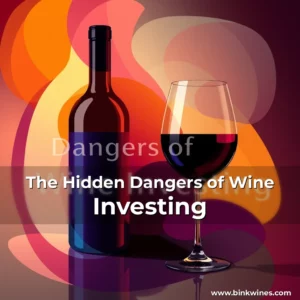

A well-diversified portfolio is essential for any investor seeking to grow their wealth. While traditional investments like stocks and bonds offer a range of benefits, they may not provide the same level of diversification as alternative investments. One such alternative is wine, which offers a unique opportunity to grow wealth alongside the stock market. Wine has a low correlation with traditional investments, making it an attractive option for investors seeking to reduce risk. In fact, wine’s performance has been relatively consistent in recent years, with a compound annual growth rate of around 10% over the past decade. **Key Features of the Wine Market**
• **Low Correlation with Traditional Investments**: Wine has a low correlation with the stock market, making it an attractive option for investors seeking to reduce risk. • **Diversification Opportunity**: Wine offers a unique opportunity for diversification, allowing investors to add a new asset class to their portfolios. • **Growing Demand**: The demand for wine is on the rise, driven by increasing consumer interest in fine wine. **Expert Insights**
“The stock market isn’t the only tool to grow wealth. Alternative investments offer a good complement to a well-diversified portfolio of stocks and bonds.” – GOBankingRates
**Understanding the Wine Market**
When it comes to investing in wine, it’s essential to understand the factors that influence its value. Factors such as production volume, secondary market demand, and the age of the wine play a significant role in determining the return on investment. **Wine Investments That Have Performed Well**
* Burgundy region in France: 214% growth over the prior decade
* Bordeaux region: 54% growth over the prior decade
* Champagne region: 125% growth over the prior decade
**Key Characteristics of Investment-Level Wine**
• **Verifiable Provenance**: Wine with verifiable provenance is highly sought after by investors. • **Production Volume**: Wine from wineries with high production volumes tends to be more affordable. • **Secondary Market Demand**: Wine with strong demand in the secondary market is more likely to appreciate in value. **Investing in Wine: Options and Considerations**
Wine can be invested in through various channels, including:
• **Direct Investment**: Purchasing bottles directly from wineries or wine merchants. • **Wine Stocks**: Investing in publicly traded wine companies. • **Exchange-Traded Funds (ETFs)**: Investing in wine-based ETFs. • **Wine Platforms**: Investing through online platforms that specialize in wine investments. **A Word from the Experts**
“Investment grade wine generally enjoys low-risk, stable growth, and has historically delivered an average Compound Annual Growth Rate of over 10% in the long term,” according to Vin-X, a wine brokerage firm. **Conclusion**
Investing in wine can be a lucrative opportunity for those looking to diversify their portfolios and grow their wealth. By understanding the factors that influence wine prices and investing in high-quality wines, investors can reap the benefits of this alternative investment market. As with any investment, it’s essential to approach wine investing with caution and a well-informed strategy.

news is a contributor at BinkWines. We are committed to providing well-researched, accurate, and valuable content to our readers.