Wine Storage Best Practices 2025
In an era where wine appreciation is reaching new heights, mastering the art of wine storage has become essential for connoisseurs and casual enthusiasts alike. From preserving delicate varietals to ensuring optimal aging conditions, the right environment can transform your collection from ordinary to exceptional.
The principles of wine storage are rooted in science yet deeply personal, reflecting both technical precision and individual taste preferences. As we delve deeper into modern storage solutions, you’ll discover how even minor adjustments can significantly impact flavor development and longevity.
Understanding Wine Cellar Fundamentals
A well-designed wine cellar begins with understanding three critical factors that determine long-term quality preservation. Temperature consistency remains paramount, ideally maintained between 50-60°F (10-15°C) to prevent premature aging or spoilage.
Humidity levels play equally vital roles, requiring careful balance around 60-70% relative humidity. This range prevents cork desiccation while avoiding excess moisture that could encourage mold growth on bottle labels.
Vibrations represent often-overlooked threats to wine stability. Excessive movement disrupts molecular structure formation during maturation, potentially compromising bouquet complexity and overall drinkability.
- Temperature fluctuations: Sudden changes above/below ideal ranges can trigger unwanted chemical reactions within the liquid matrix.
- Cork integrity: Proper humidity maintains seal effectiveness, preventing oxidation that degrades tannins over time.
- Light exposure: UV rays penetrate glass containers, accelerating degradation processes in red wines containing anthocyanin compounds.
Modern cellars incorporate advanced climate control systems featuring digital thermostats, automated humidifiers, and vibration-dampening foundations. These innovations ensure consistent environmental parameters without constant manual monitoring.
Designing Your Ideal Wine Storage Space
Whether retrofitting existing rooms or constructing purpose-built cellars, strategic design choices greatly influence storage outcomes. Insulation thickness becomes crucial when converting basements or garages into temperature-controlled environments.
Proper insulation minimizes heat transfer through walls, floors, and ceilings. Using materials like spray foam or rigid fiberglass panels creates continuous thermal barriers against external temperature variations.
Adequate ventilation systems help regulate air circulation without creating drafts that might disturb stored bottles. Balanced airflow prevents stagnant pockets which could trap volatile aromatics or promote microbial growth.
Lighting requirements demand special consideration due to light sensitivity of certain grape varieties. Installing low-wattage LED strips behind shelving units provides necessary illumination without exposing contents to harmful wavelengths.
Purpose-built structures benefit from incorporating built-in cooling systems integrated directly into foundation elements rather than relying solely on standalone refrigerators.
Selecting Appropriate Shelving Systems
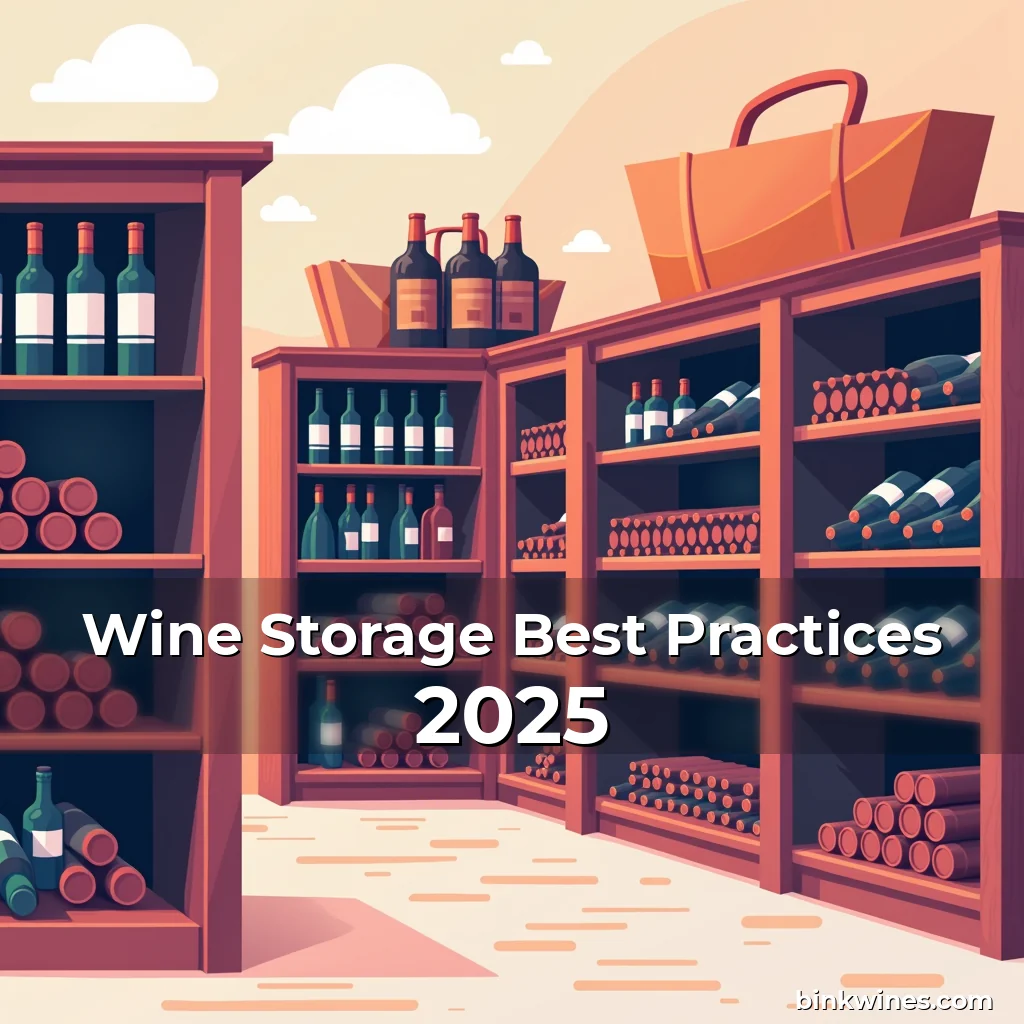
Shelving configurations significantly affect accessibility and organization efficiency in any wine storage facility. Traditional wooden shelves offer aesthetic appeal but require regular maintenance to prevent warping caused by fluctuating humidity levels.
Metal shelving solutions provide greater durability while allowing better air circulation around each bottle. Stainless steel options resist corrosion and maintain structural integrity under varying climatic conditions.
Custom modular systems enable tailored arrangements based on collection size and access frequency patterns. Adjustable height settings accommodate different bottle shapes and sizes seamlessly.
Some advanced models include built-in humidity sensors and automatic dampers that adjust airflow based on real-time measurements, maintaining optimal microclimates near each storage unit.
Ergonomic considerations dictate shelf depth and spacing to facilitate easy retrieval without disturbing other bottles. Optimal viewing angles enhance inventory management capabilities.
Optimizing Bottle Orientation and Spacing
Correct positioning plays a pivotal role in maintaining cork hydration and preventing leakage issues. Storing bottles horizontally keeps corks moistened through contact with their own liquid, preserving seal integrity over extended periods.
Vertical storage risks drying out natural corks, especially with older vintages where slight shrinkage may already occur. Maintaining horizontal orientation ensures consistent pressure equilibrium across closures.
Spacing between bottles allows adequate room for expansion during aging processes. Overcrowding restricts normal volume fluctuations that naturally happen as liquids evolve chemically over years.
Sufficient clearance also facilitates easier inspection routines and routine tastings without risking accidental damage to neighboring bottles during handling procedures.
For sparkling wines requiring additional protection against carbonation loss, dedicated vertical racks with specialized pressure retention mechanisms prove particularly beneficial.
Implementing Climate Control Technologies
Contemporary wine storage facilities utilize state-of-the-art climate regulation systems designed specifically for wine conservation needs. Programmable controllers allow precise setting of target temperatures and humidity thresholds with high accuracy.
These systems typically feature dual-stage compressors capable of responding swiftly to ambient condition changes, minimizing energy consumption while maintaining stable internal environments.
Digital displays provide real-time data visualization including current readings, historical trends, and alert notifications when parameters deviate beyond acceptable limits.
Integrated remote monitoring capabilities via smartphone applications empower owners to oversee storage conditions from anywhere at any time, receiving instant alerts about potential anomalies.
Smart home integration enables seamless synchronization with other household appliances, optimizing overall energy usage patterns automatically through intelligent scheduling algorithms.
Managing Inventory and Rotation Strategies
Effective inventory management requires systematic approaches to tracking vintage dates, production volumes, and expected maturity timelines for various wines in stock. Digital cataloging software streamlines these operations dramatically compared to traditional paper records.
Implementing first-in-first-out (FIFO) rotation policies helps ensure earlier acquired vintages get consumed before newer additions, maximizing enjoyment window opportunities for premium selections.
Labeling conventions must be standardized across all bottles using clear legible fonts with sufficient contrast against background colors for quick visual identification during selection sessions.
Color-coded categorization schemes assist in distinguishing between white, red, rosé, dessert, and fortified wine types at-a-glance, reducing search times considerably during serving preparations.
Regular audit cycles verify accuracy of digital inventories against physical holdings, identifying discrepancies promptly for correction before they escalate into significant losses.
Protecting Against External Threats
Beyond basic storage parameters, proactive measures safeguard collections from unexpected hazards that could compromise entire stocks overnight. Fire suppression systems with clean agent extinguishants protect valuable assets without leaving damaging residue.
Earthquake-resistant mountings secure heavy rack assemblies against seismic activity, preventing catastrophic collapses that would destroy decades of curated collections instantly.
Water detection sensors warn about leaks originating from plumbing failures or condensation buildup, enabling timely interventions before water damage occurs.
Thief deterrent systems combining motion detectors, surveillance cameras, and alarm triggers create formidable security layers discouraging unauthorized access attempts effectively.
Insurance coverage tailored specifically for fine wine collections offers financial recourse in case of unforeseen disasters, covering replacement costs up to predetermined value limits established beforehand.
Enhancing Tasting Room Integration
Thoughtful integration of tasting areas enhances overall wine experience by providing convenient access points for sample evaluations before committing to full purchases or cellar placements. Ergonomically designed countertops support multiple simultaneous tastings comfortably.
Refrigerated display cases maintain appropriate serving temperatures for whites, roses, and champagnes, ensuring optimal presentation during hospitality events or private gatherings.
Climate-controlled cabinets house matured vintages awaiting special occasions, protecting them from unnecessary exposure to warmer ambient conditions found in typical living spaces.
Interactive labeling systems enable guests to learn about origin stories, winemaking techniques, and food pairing suggestions through touchscreens embedded directly onto display units.
Acoustic treatments optimize sound absorption properties in tasting zones, enhancing conversational clarity and creating immersive sensory experiences during group tastings.
Conclusion
Mastering wine storage involves balancing scientific rigor with practical adaptability to suit individual circumstances and preferences. The journey toward perfect preservation continues evolving alongside technological advancements and changing consumer habits.
By implementing thoughtful strategies ranging from foundational infrastructure decisions to daily maintenance routines, every enthusiast can cultivate an environment where their cherished vintages flourish beautifully over generations.
“`

news is a contributor at BinkWines. We are committed to providing well-researched, accurate, and valuable content to our readers.