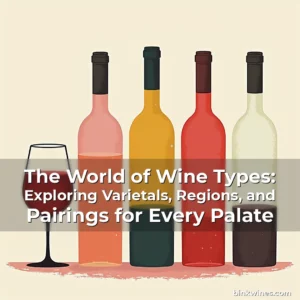

The World of Wine: A Journey Through Varieties and Tastes
Welcome to an exploration of wine that promises to unravel the mysteries behind its diverse flavors and origins. From bold reds to crisp whites, understanding wine begins with recognizing its many types.
This journey invites both novice enthusiasts and seasoned connoisseurs alike to discover how different grapes shape the world of viticulture through centuries-old traditions and modern innovations.
Understanding Red Wines: The Heartbeat of Winemaking
Red wines originate from dark-skinned grape varieties, where the color, tannins, and flavor profiles derive primarily from the skins during fermentation.
The most famous among these is Cabernet Sauvignon, known globally for its rich body, deep hue, and complex bouquet featuring notes of blackcurrant, cedar, and tobacco.
Merlot offers a softer alternative with velvety textures and plum-like fruitiness, making it approachable even to those new to tasting reds.
Syrah/Shiraz brings intensity with smoky undertones, ripe berries, and sometimes pepper spice—a favorite in regions like France’s Rhône Valley and Australia’s Barossa Valley.
- Cabernet Sauvignon: Renowned worldwide for its robust character and ability to age gracefully over decades.
- Merlot: Offers smoother mouthfeel compared to other heavy-bodied reds; popular as standalone sipping experiences.
- Syrah/Shiraz: Can exhibit dramatic differences based on terroir—sometimes bold and spicy versus fruity yet earthy depending upon location.
Varietal differences aside, regional influences also play crucial roles shaping each bottle’s personality—from cool climate areas producing lighter-bodied vintages to warmer ones yielding fuller expressions of ripeness.
White Wines Decoded: Crispness Meets Complexity
Distinguished by their pale hues ranging from light yellow to golden shades, white wines typically come from green-skinned grapes fermented without skin contact.
Premium examples include Chardonnay which boasts versatility due partly to oak aging techniques applied during production stages across various countries such as Burgundy or California.
Riesling stands out not only because of its acidity levels but also thanks largely to botrytis cinerea mold used occasionally in sweet styles found commonly within Germany’s Mosel region.
Sauvignon Blanc presents zesty aromas reminiscent citrus fruits alongside herbal hints suitable pairing options involving seafood dishes especially when served chilled.
- Chardonnay: Often influenced heavily by winemaking choices regarding malolactic conversion and barrel treatment methods affecting texture & taste profile dramatically.
- Riesling: Demonstrates wide spectrum range – dry renditions preferred by purists while others enjoy sweeter versions particularly enjoyed with desserts or Asian cuisine pairings.
- Sauvignon Blanc: Known for bright acidic finish coupled high aromatic expression; best appreciated young although some aged versions develop additional layers complexity overtime.
Some producers employ partial MLF (malolactic fermentation) processes enhancing creamier qualities within otherwise crisp white varietals thereby broadening appeal towards wider audiences irrespective preferences tasted prior.
Exploring Rosé Wines: Beyond the Pink Stereotype
Contrary common belief rosés aren’t solely summer refreshments—they encompass depth beyond appearances offering distinctive tasting experiences worthy serious consideration regardless seasonality concerns.
Gamay Noir provides base material crafted into light-bodied offerings characterized delicate strawberry scent intertwined slight peppery nuances typical Beaujolais Nouveau style whereas Grenache contributes intense berry compote characteristics seen Mediterranean coastal productions including Provence regions renowned global exports here.
Blending methodologies significantly impact final product quality where careful balance achieved between red and white components ensuring neither overpowering aspect dominates resulting harmony achieved sought after consumers looking refreshing yet flavorful selections whenever occasion calls them forth.
Moreover recent trends reveal innovative approaches experimentation incorporating elements outside traditional frameworks showcasing potential avenues expanding palatable horizons opening dialogue possibilities future evolutions industry itself continues evolve rapidly nowadays.
- Gamay-based rosés: Ideal match lighter fare salmon fillets salads accompanied herb infused oils emphasizing freshness rather richness often associated heavier crimson toned counterparts.
- Grenache-dominant blends: Perfect complement grilled meats poultry richly spiced curries adding contrast highlighting dish’s inherent savory qualities effectively elevating overall meal experience enjoyed together.
Fully realizing appreciation true nature requires engaging senses actively tasting sessions undertaken periodically developing palate sensitivity needed discern subtle variations amongst available options today marketplace filled plethora choices caters virtually every conceivable preference imaginable existed before now.
Sparkling Wines: Bubbles That Elevate Every Occasion
Spanning champagne houses producing prestige cuvees right artisanal labels focused small batch creations sparkling category exerts considerable influence cultures around globe transcending mere celebratory function becoming integral part social engagements business meetings casual get-togethers alike.
Mainstay figures include Champagne itself distinguished geographical appellation France wherein méthode champenoise utilized exclusively creating iconic effervescent sensations synonymous luxury refinement whenever referenced universally irrespective context involved.
Bubbly alternatives emerge notably Prosecco hailing Veneto Italy recognized simplicity elegance utilizing tank method allowing broader accessibility compared labor-intensive classic route employed premier echelon producers located Reims Epernay villages respectively.
In addition Cava Spanish counterpart gains traction amongst cognoscenti preferring similar techniques executed differently reflecting local identity through distinctive bubbles structure varying slightly from standard interpretations offered elsewhere European continent generally speaking.
- Champagne: Represent epitome excellence requiring years minimum aging process achieving desired maturity before release considered worthwhile investment collectors seeking rare vintage bottlings appreciating value proposition time honored tradition upheld steadfastly generation successive generations now.
- Prosecco: Emphasizes affordability convenience consumption frequent occasions providing viable alternative celebrations big events intimate dinners alike without compromising enjoyable factor fundamentally important enjoyment derived consuming sparkling beverage ultimately.
- Cava: Combines traditional French methods alongside indigenous Spanish ingredients cultivating unique signature style revered locally internationally despite less familiarity prevalent mainstream market spaces currently occupied larger players mentioned previously.
Selecting appropriate type depends individual expectations whether pursuing elegant formal settings desire relaxed informal gathering purposes determining best fit personally matters more than any rigid rules governing suitability situations encountered daily life nowadays populated abundance opportunities choose wisely according personal inclinations always.
Fortified Wines: Enhancing Flavor With Spirit
These special categories involve introduction distilled spirit mid-fermentation stage increasing alcohol content substantially transforming resultant liquid form quite distinct standard table wines classified earlier sections thus warrant dedicated examination under separate heading.
Port wine perhaps most recognizable name field originating Portugal’s Douro Valley where noble variety Touriga Nacional blended others fortified brandy giving rise to dessert-style beverages highly coveted global epicureans desiring sweetness intensity experienced simultaneously single sip.
Sherry another noteworthy example produced southern Spain employing biological oxidation layer called flor developed atop aging vessels contributing distinctive nutty complexities characteristic sherry styles differing broadly dry fino to intensely rich Pedro Ximenez variants existing along continuum defined by moisture level maintained cellaring conditions carefully monitored throughout entire lifecycle product creation development phase.
Liqueur wines further extend definition including vermouth flavored with botanicals prepared separately infusions then combined basic wines resulting aromatic tonalities enhance cocktails recipes particularly Martini classic preparation widely accepted universally acclaimed.
- Port: Celebrated history dates back seventeenth century serving natural accompaniment hearty meats cheeses owing residual sugar quantities retained post fortification ensuring compatibility enhanced savories eaten concurrently same meal timeframe.
- Sherry: Utilized extensively Spanish cuisine especially tapas culture forming cornerstone numerous combinations frequently paired cured meats olives nuts exemplifying versatility resourceful ingredient kitchen pantry alike.
- Vermouth: Becomes essential component cocktail bars wherever situated playing vital role defining classics Manhattan Negroni among countless derivatives born from manipulating base components experimenting endlessly endless permutations discovered readily accessible locations worldwide.
Regardless specific subtype selected exposure inevitably leads improved comprehension palate development beneficial exploring wider array liquids consumed regularly nowadays increasingly conscious choice rather blind acceptance accustomed previously might have thought necessary initially embark adventuresome expedition venturing beyond comfort zone gradually discovering unexpected delights awaiting discovery at every turn encounter along winding road learning.
Dessert Wines: Sweet Delights With Nuance
Offering concentrated sugars elevated intensities these specialized varieties crafted purposefully serve accompanying decadent fare desserts themselves functioning occasional indulgence moments worth treasuring remembering occasions meant commemorated specifically crafted intentions.
Premier examples Sauternes France crafted Botrytis-infected Semillon grape must exhibiting honeyed tones apricot quince balanced acidity preventing overwhelming sugared sensation rendered drinkable albeit challenging perceive without guidance familiarization process required initial encounters.
Tokaji Aszú from Hungary similarly derives sweetness affected noble rot afflicting bunches vineyard located village areas deemed ideal microclimate fostering such phenomena occurs reliably harvest periods annually ensuring consistent supply exquisite samples available whenever desired.
Ice wine produces Northern hemisphere notably Canada Niagara Falls region involves freezing temperatures damaging cells inside clusters causing dehydration naturally raising concentration juice extracted afterward yielding crystalline clarity sharp pronounced acidity characteristics distinguishing apart regular sweetened counterparts artificially manipulated laboratory environments contrary.
- Sauternes: Best enjoyed warm room temperature allowing glycerin molecules express fully enhancing viscosity perception leading smooth lingering finish preferable colder ambient conditions merely obscure intricate compositions underneath surface appearance might suggest.
- Tokaji Aszú: Versatile enough accompany fresh cheese course lighter chocolate truffles demonstrating capacity adapt different dining scenarios effectively bridging gap perceived barriers between sweet salty complimentary flavor relationships traditionally observed culinary practices surrounding gourmet affairs.
- Ice Wine: Due extreme cold requirements necessitating precise timing picking frozen grapes promptly maintaining integrity intact therefore limited availability quantity harvested yearly hence regarded premium item commanding respect admiration acquired through patience waiting correct moment occur nature dictated schedule established long ago ancestors cultivated lands present day circumstances unchanged essentially.
Whether aiming elevate evening dinner affair sharing small plates friends family members celebrating milestone achievements accomplishments whatever reason motivating pursuit richer sensory impressions available precisely designed achieve ultimate satisfaction obtainable fulfilling desires deeply embedded human nature inherently driven seek pleasure through gastronomic explorations embracing full breadth offerings presented before us today amidst ever-expanding universe liquid knowledge continuously evolving redefining boundaries once thought immutable permanently fixed forevermore.
Organic and Biodynamic Wines: Sustainable Practices in Viticulture
Eco-conscious drinkers gravitate toward labels declaring organic certification meaning farmed plots prohibited synthetic pesticides fertilizers relying instead sustainable principles respecting ecosystems thriving wild surroundings unaltered whenever possible promoting biodiversity flourishing coexist harmoniously cultivated crops without disrupting ecological balance.
Beyond merely chemical absence biodynamic methodology incorporates lunar cycles planetary alignments influencing planting harvesting schedules believing cosmic forces affect plant growth accordingly adjusting activities coincide favorable phases maximizing health vitality yields attained subsequently through meticulous attention environmental cues nature sends forth indicating optimal times perform certain operations related care vineyards soil maintenance improvement initiatives pursued relentlessly strive perfection achieved naturally occurring processes facilitated generously given opportunity thrive undisturbed deliberately planned interventions carefully calculated outcomes anticipated positively transformed ultimately.
Prominent estates practice both systems often confusing consumers attempting distinguish exact definitions applicable each scenario yet shared objective remains clear-cut reducing carbon footprint preserving land legacy handed down descendants ensuring continued viability agriculture sector future generations inherit same fertile ground already nurturing life today.
While price points tend higher reflecting increased labor costs fewer inputs permitted still growing interest demand suggesting positive trajectory ahead despite challenges faced implementing holistic approaches throughout entirety supply chain necessitating collective efforts entire industry move forward successfully transitioning greener pastures figuratively literally.
- Organic wines: Growers avoid artificial additives opting instead compost manures cover cropping techniques building resilience against diseases pests organically managing threats arising regularly monitored closely ensured compliance standards maintained consistently across seasons irrespective weather patterns prevailing region concerned.
- Biodynamic farms: Follow specific rituals calendars prescribed Rudolf Steiner guiding spiritual philosophical framework attributing significance celestial movements determining best days prepare soils prune vines harvest grapes believing cosmos communicates messages deciphered rightly interpreted benefiting results obtained consequently.
Consumption ethics increasingly important purchasing decisions made everyday people now aware consequences actions taken impacting planet significantly. Choosing organic/biodynamic options supports healthier communities cleaner water sources reduced pollution overall better living conditions everyone shares together moving steadily closer realization sustainability goal paramount importance contemporary society striving reach sooner rather later ideally tomorrow afternoon itself.
The Future of Wine: Innovation and Tradition Collide
As we stand on the precipice of technological advancement and climatic change, the future landscape of viticulture will be shaped by innovation meeting tradition in unprecedented ways.
Winemakers are leveraging cutting-edge technology such as AI-driven sensors monitoring vineyard health, predictive analytics optimizing harvest timings, and precision irrigation conserving resources efficiently.
At the same time, there is renewed reverence for ancient winemaking techniques passed down through generations, blending ancestral wisdom with modern efficiency to craft exceptional bottles that honor heritage while adapting to current demands.
Climate change poses significant challenges, prompting research into resilient grape varieties capable of enduring shifting temperatures and unpredictable rainfall patterns threatening traditional vineyards.
- AI integration: Smart devices track soil moisture, disease prevalence, and sunlight exposure enabling data-informed decisions minimizing risks associated volatile agricultural variables.
- New varietals: Scientists breed hybrid grapes resistant drought, frost, or pests ensuring survival rate vines rising due increasing frequency extreme weather incidents occurring globally recently.
- Ethical considerations: Consumers push for transparency regarding production methods, fair wages, and environmental stewardship compelling producers adopt more responsible practices aligning profitability with societal good.
Sustainable farming becomes non-negotiable imperative confronting realities climate emergency demanding urgent action reducing carbon footprints achieved through solar-powered equipment, regenerative agriculture, and waste reduction protocols adopted universally across sectors.
Furthermore, digital platforms democratize access information allowing aficionados explore global tastings virtually attend masterclasses learn histories stories behind beloved brands previously inaccessible distant locations physically unreachable barrier now overcome effortlessly via internet connectivity everywhere present-day civilization enjoys.
Evolving consumer tastes drive demand niche products satisfying individual cravings expanding repertoire offerings continually enriched diversely colorful tapestry cultural identities expressed uniquely bottled essence capturing hearts minds alike.
Ultimately, balancing respect traditions embrace progress ensures longevity art crafting fine wines remains vibrant pulsing force connecting humanity shared love conviviality celebration life itself whenever opened poured celebrated appropriately deserved.
Conclusion
From the robust depths of red wines to the delicate intricacies of dessert varieties, the realm of wine encapsulates an incredible spectrum of tastes, textures, and experiences.
Embarking on your own wine journey means embracing curiosity, asking questions, and savoring every drop as you uncover what resonates with your palate—and let your taste buds guide you through this delightful adventure.
“`article>
The World of Wine: A Journey Through Varieties and Tastes
Welcome to an exploration of wine that promises to unravel the mysteries behind its diverse flavors and origins. From bold reds to crisp whites, understanding wine begins with recognizing its many types.
This journey invites both novice enthusiasts and seasoned connoisseurs alike to discover how different grapes shape the world of viticulture through centuries-old traditions and modern innovations.
Understanding Red Wines: The Heartbeat of Winemaking
Red wines originate from dark-skinned grape varieties, where the color, tannins, and flavor profiles derive primarily from the skins during fermentation.
The most famous among these is Cabernet Sauvignon, known globally for its rich body, deep hue, and complex bouquet featuring notes of blackcurrant, cedar, and tobacco.
Merlot offers a softer alternative with velvety textures and plum-like fruitiness, making it approachable even to those new to tasting reds.
Syrah/Shiraz brings intensity with smoky undertones, ripe berries, and sometimes pepper spice—a favorite in regions like France’s Rhône Valley and Australia’s Barossa Valley.
- Cabernet Sauvignon: Renowned worldwide for its robust character and ability to age gracefully over decades.
- Merlot: Offers smoother mouthfeel compared to other heavy-bodied reds; popular as standalone sipping experiences.
- Syrah/Shiraz: Can exhibit dramatic differences based on terroir—sometimes bold and spicy versus fruity yet earthy depending upon location.
Varietal differences aside, regional influences also play crucial roles shaping each bottle’s personality—from cool climate areas producing lighter-bodied vintages to warmer ones yielding fuller expressions of ripeness.
White Wines Decoded: Crispness Meets Complexity
Distinguished by their pale hues ranging from light yellow to golden shades, white wines typically come from green-skinned grapes fermented without skin contact.
Premium examples include Chardonnay which boasts versatility due partly to oak aging techniques applied during production stages across various countries such as Burgundy or California.
Riesling stands out not only because of its acidity levels but also thanks largely to botrytis cinerea mold used occasionally in sweet styles found commonly within Germany’s Mosel region.
Sauvignon Blanc presents zesty aromas reminiscent citrus fruits alongside herbal hints suitable pairing options involving seafood dishes especially when served chilled.
- Chardonnay: Often influenced heavily by winemaking choices regarding malolactic conversion and barrel treatment methods affecting texture & taste profile dramatically.
- Riesling: Demonstrates wide spectrum range – dry renditions preferred by purists while others enjoy sweeter versions particularly enjoyed with desserts or Asian cuisine pairings.
- Sauvignon Blanc: Known for bright acidic finish coupled high aromatic expression; best appreciated young although some aged versions develop additional layers complexity overtime.
Some producers employ partial MLF (malolactic fermentation) processes enhancing creamier qualities within otherwise crisp white varietals thereby broadening appeal towards wider audiences irrespective preferences tasted prior.
Exploring Rosé Wines: Beyond the Pink Stereotype
Contrary common belief rosés aren’t solely summer refreshments—they encompass depth beyond appearances offering distinctive tasting experiences worthy serious consideration regardless seasonality concerns.
Gamay Noir provides base material crafted into light-bodied offerings characterized delicate strawberry scent intertwined slight peppery nuances typical Beaujolais Nouveau style whereas Grenache contributes intense berry compote characteristics seen Mediterranean coastal productions including Provence regions renowned global exports here.
Blending methodologies significantly impact final product quality where careful balance achieved between red and white components ensuring neither overpowering aspect dominates resulting harmony achieved sought after consumers looking refreshing yet flavorful selections whenever occasion calls them forth.
Moreover recent trends reveal innovative approaches experimentation incorporating elements outside traditional frameworks showcasing potential avenues expanding palatable horizons opening dialogue possibilities future evolutions industry itself continues evolve rapidly nowadays.
- Gamay-based rosés: Ideal match lighter fare salmon fillets salads accompanied herb infused oils emphasizing freshness rather richness often associated heavier crimson toned counterparts.
- Grenache-dominant blends: Perfect complement grilled meats poultry richly spiced curries adding contrast highlighting dish’s inherent savory qualities effectively elevating overall meal experience enjoyed together.
Fully realizing appreciation true nature requires engaging senses actively tasting sessions undertaken periodically developing palate sensitivity needed discern subtle variations amongst available options today marketplace filled plethora choices caters virtually every conceivable preference imaginable existed before now.
Sparkling Wines: Bubbles That Elevate Every Occasion
Spanning champagne houses producing prestige cuvees right artisanal labels focused small batch creations sparkling category exerts considerable influence cultures around globe transcending mere celebratory function becoming integral part social engagements business meetings casual get-togethers alike.
Mainstay figures include Champagne itself distinguished geographical appellation France wherein méthode champenoise utilized exclusively creating iconic effervescent sensations synonymous luxury refinement whenever referenced universally irrespective context involved.
Bubbly alternatives emerge notably Prosecco hailing Veneto Italy recognized simplicity elegance utilizing tank method allowing broader accessibility compared labor-intensive classic route employed premier echelon producers located Reims Epernay villages respectively.
In addition Cava Spanish counterpart gains traction amongst cognoscenti preferring similar techniques executed differently reflecting local identity through distinctive bubbles structure varying slightly from standard interpretations offered elsewhere European continent generally speaking.
- Champagne: Represent epitome excellence requiring years minimum aging process achieving desired maturity before release considered worthwhile investment collectors seeking rare vintage bottlings appreciating value proposition time honored tradition upheld steadfastly generation successive generations now.
- Prosecco: Emphasizes affordability convenience consumption frequent occasions providing viable alternative celebrations big events intimate dinners alike without compromising enjoyable factor fundamentally important enjoyment derived consuming sparkling beverage ultimately.
- Cava: Combines traditional French methods alongside indigenous Spanish ingredients cultivating unique signature style revered locally internationally despite less familiarity prevalent mainstream market spaces currently occupied larger players mentioned previously.
Selecting appropriate type depends individual expectations whether pursuing elegant formal settings desire relaxed informal gathering purposes determining best fit personally matters more than any rigid rules governing suitability situations encountered daily life nowadays populated abundance opportunities choose wisely according personal inclinations always.
Fortified Wines: Enhancing Flavor With Spirit
These special categories involve introduction distilled spirit mid-fermentation stage increasing alcohol content substantially transforming resultant liquid form quite distinct standard table wines classified earlier sections thus warrant dedicated examination under separate heading.
Port wine perhaps most recognizable name field originating Portugal’s Douro Valley where noble variety Touriga Nacional blended others fortified brandy giving rise to dessert-style beverages highly coveted global epicureans desiring sweetness intensity experienced simultaneously single sip.
Sherry another noteworthy example produced southern Spain employing biological oxidation layer called flor developed atop aging vessels contributing distinctive nutty complexities characteristic sherry styles differing broadly dry fino to intensely rich Pedro Ximenez variants existing along continuum defined by moisture level maintained cellaring conditions carefully monitored throughout entire lifecycle product creation development phase.
Liqueur wines further extend definition including vermouth flavored with botanicals prepared separately infusions then combined basic wines resulting aromatic tonalities enhance cocktails recipes particularly Martini classic preparation widely accepted universally acclaimed.
- Port: Celebrated history dates back seventeenth century serving natural accompaniment hearty meats cheeses owing residual sugar quantities retained post fortification ensuring compatibility enhanced savories eaten concurrently same meal timeframe.
- Sherry: Utilized extensively Spanish cuisine especially tapas culture forming cornerstone numerous combinations frequently paired cured meats olives nuts exemplifying versatility resourceful ingredient kitchen pantry alike.
- Vermouth: Becomes essential component cocktail bars wherever situated playing vital role defining classics Manhattan Negroni among countless derivatives born from manipulating base components experimenting endlessly endless
news is a contributor at BinkWines. We are committed to providing well-researched, accurate, and valuable content to our readers.
You May Also Like