Exploring Global Wine Regions: A Journey Through Terroir and Tradition
The world’s finest wines emerge from diverse landscapes shaped by centuries-old traditions, climatic nuances, and unique geological formations. From sun-drenched valleys in Tuscany to misty highlands in Oregon, each wine region tells a story through its grapes.
To truly appreciate wine, understanding the origins behind every bottle is essential. This guide delves into the heart of renowned and hidden gems across continents, revealing what makes them distinct.
What Makes a Wine Region Truly Special?
A wine region thrives when natural elements harmonize perfectly. Climate, soil composition, elevation, and even proximity to water sources collectively define a vineyard’s character. These factors determine which grape varieties flourish best.
Terroir—the sum of environmental conditions—is often cited as the foundation of great wine. It influences not just flavor profiles but also aroma complexity and mouthfeel. Understanding this concept unlocks deeper appreciation for regional differences.
- Climate zones: Mediterranean regions favor warm summers, while cooler climates produce lighter-bodied whites and sparklings.
- Soil types: Volcanic soils enhance minerality, whereas limestone-rich areas promote structured tannins in reds.
Microclimates further refine these distinctions. Even neighboring hillsides may yield drastically different results due to variations in sunlight exposure and wind patterns.
The Timeless Charm of Old World Wine Countries
Europe remains home to many iconic wine regions steeped in history. Places like Bordeaux and Burgundy have produced legendary vintages for centuries, guided by rigorous appellation systems.
French wine regions exemplify tradition at its peak. Champagne houses meticulously craft sparkling wines using ancestral methods passed down generations. Rhône Valley blends showcase Syrah and Grenache’s boldness.
Famous European Wine Districts
Bordeaux’s Left Bank is synonymous with Cabernet Sauvignon-dominated blends, while Right Bank produces softer Merlot-based wines. Both banks benefit from maritime influences moderating extreme temperatures.
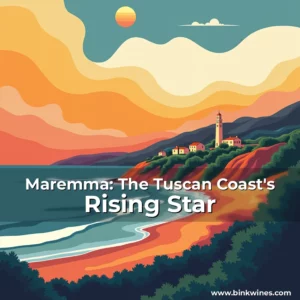
Tuscany’s Chianti Classico region combines Sangiovese with international varietals like Cabernet Sauvignon. Super Tuscan wines break conventional norms with innovative cuvées.
Piedmont’s Barolo and Barbaresco DOCGs rely heavily on Nebbiolo, yielding powerful yet elegant reds known globally. Their production laws dictate strict aging requirements before release.
New World Innovations Redefining Winemaking
In contrast to Old World rigor, New World countries embrace experimentation. American, Australian, and Chilean producers continually push boundaries in both viticulture and winery technology.
Cooler coastal regions like Sonoma Coast in California prioritize Pinot Noir cultivation, leveraging Pacific breezes to maintain ideal ripening conditions. Similarly, Margaret River in Western Australia crafts exceptional Cabernets and Semillons.
- Varietal expression: Washington State focuses on Riesling and Syrah, showcasing their potential beyond traditional growing areas.
- Sustainable practices: Many New World estates lead in eco-friendly initiatives such as solar-powered cellars and minimal interventionist approaches.
Mendoza, Argentina stands out for its Malbecs, benefiting from high-altitude vineyards providing extended hang time on the vines. Cooler mountain slopes preserve acidity levels crucial for balance.
Hidden Gems Beyond the Spotlight
While established names dominate headlines, lesser-known regions offer equally compelling experiences. Discovering these underrated spots enriches your wine journey with unexpected delights.
Estonia’s Saue Valley boasts experimental micro-wineries producing unique hybrid varietals suited to northern climates. Nearby Latvia’s Gauja Valley experiments with native hybrids adapted to harsh winters.
In Asia, China’s Yantai region near the Yellow Sea grows premium霞多丽 (Chardonnay) and Cabernet Sauvignon alongside indigenous grapes like 葡萄 (Putaowu).
Georgia’s Kakheti region preserves ancient qvevri fermentation vessels used since antiquity, offering a glimpse into pre-modern vinification techniques.
Sustainability Efforts Shaping Modern Viticulture
Environmental consciousness now drives much of contemporary winemaking. Organic certification programs and regenerative agriculture practices gain traction worldwide.
Many vineyards implement integrated pest management reducing chemical usage significantly. Cover crops between rows help prevent erosion while improving soil health naturally.
Eco-Friendly Techniques in Practice
Dry-farming eliminates irrigation demands entirely, relying solely on rainfall for vine hydration. This method enhances concentration of flavors while promoting drought resilience.
Biodynamic farming follows lunar cycles influencing planting schedules and harvesting times believed to optimize plant vitality. While controversial among skeptics, proponents report improved yields.
Renewable energy adoption varies widely—from fully solar-powered facilities in Napa to geothermal heating solutions in volcanic regions like Iceland’s Reykholt area.
Traditional Techniques That Define Regional Identities
Certain winemaking methods remain uniquely tied to specific locations despite modern advancements. These heritage practices distinguish regional identities clearly.
Appassimento involves drying grapes post-harvest to concentrate sugars—a technique vital for Amarone della Valpolicella’s intense richness. Similar methods exist in Jerez for Pedro Ximénez sherry production.
- Spontaneous fermentation: Natural yeast present on grape skins initiates fermentation without commercial strains commonly used today.
- Oaked maturation: Different wood species impart varied aromas; French oak tends toward vanilla notes whereas American oak offers smokier undertones.
Carbonic maceration practiced in Beaujolais allows whole berries to ferment inside their own juice, creating light-fruity wines typical of Nouveau style releases.
Pairing Wines With Local Cuisine
Regional cuisine often complements native wines beautifully, reflecting shared ingredients and cooking philosophies. Exploring these pairings deepens cultural connections.
Italian Chianti pairs well with tomato-based dishes thanks to shared acidic profiles enhancing freshness. Conversely, rich Tuscan pecorino cheeses demand robust Brunello di Montalcino to cut through fat content.
Japanese sake served cold contrasts sharply against grilled meats or sashimi, highlighting umami components effectively. Warmer serving temperatures bring out more aromatic qualities during meals.
South African Chenin blanc from Stellenbosch works surprisingly well with seafood due to bright citrus notes echoing lemon zest found frequently in Cape Malay cuisine.
Visiting Wine Regions Around the Globe
Planning a visit offers unparalleled insight into vineyard life. Choosing destinations wisely ensures memorable encounters with passionate growers.
France’s Loire Valley provides affordable tasting opportunities compared to Alsace or Burgundy. Summer months witness bustling markets filled with artisanal products alongside vineyard tours.
In Chile, Colchagua Valley hosts numerous family-owned estates open year-round. Transportation links make it easily accessible from Santiago via scenic routes through Andean foothills.
Greece’s Naoussa region features medieval villages surrounded by terraced vineyards. Local tavernas serve rustic fare matched perfectly with Xinomavro and Assyrtiko selections.
The Future Of Global Wine Exploration
As climate change reshapes familiar growing conditions, innovation becomes increasingly critical. Adaptation strategies will redefine which regions thrive moving forward.
Research into heat-resistant rootstocks helps protect vulnerable sites facing rising temperatures. Precision viticulture utilizing drones monitors vine stress indicators more efficiently than manual checks ever could.
Rising interest in natural wines encourages smaller-scale producers who emphasize minimal processing steps preserving original fruit characters unadulterated by additives.
Virtual reality experiences allow digital tourists to explore remote vineyards they’d otherwise never access physically—an evolving trend likely to grow substantially in coming years.
Conclusion
From grand crus of Bordeaux to humble village plots in Georgia, every wine region contributes uniquely to our global palate. Recognizing these distinctions elevates enjoyment immeasurably.
Embark on your own discovery journey by seeking out lesser-known appellations next time shopping for bottles. Supporting sustainable producers also benefits ecosystems wherever grapes grow wild.

news is a contributor at BinkWines. We are committed to providing well-researched, accurate, and valuable content to our readers.