Sparkling Wines vs Alternatives: Complete Comparison
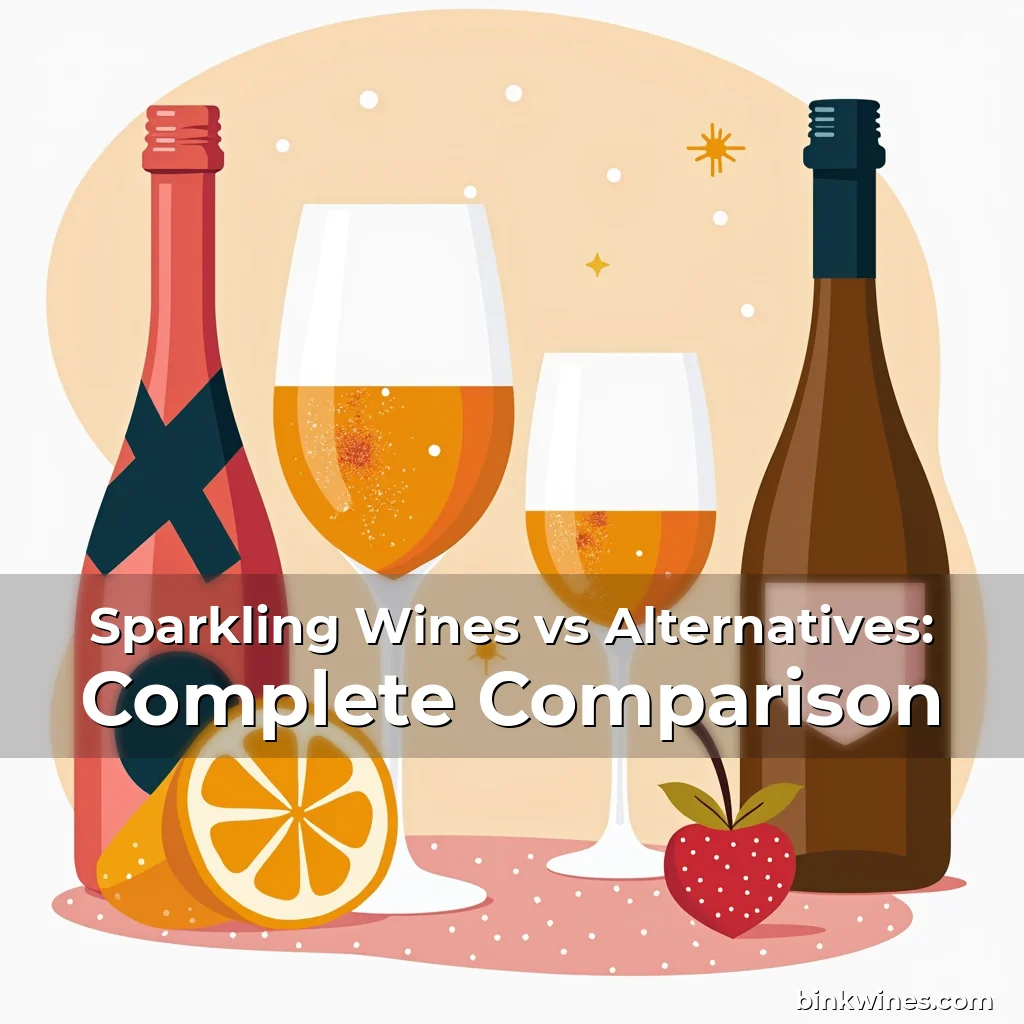
In the world of fine wines, sparkling varieties stand out as a symbol of celebration and sophistication. From the effervescent bubbles of champagne to the crisp notes of prosecco, these wines offer a delightful sensory experience. However, understanding the distinctions between various types of sparkling wines and their alternatives can enhance your appreciation significantly.
The allure of sparkling wines lies not just in their celebratory nature but also in the complexity of flavors and aromas they present. This article aims to explore the intricacies of sparkling wines compared to their non-sparkling counterparts, providing insightful comparisons that cater to both novices and connoisseurs alike.
Understanding Sparkling Wine Production
Sparkling wine is produced through a meticulous process known as secondary fermentation, which occurs inside the bottle. This method, famously used in the production of champagne, allows carbon dioxide gas to dissolve in the liquid, resulting in the characteristic bubbles that define sparkling wines.
Different regions employ slightly varied techniques, leading to diverse flavor profiles among sparkling wines. While the traditional method remains popular, alternative methods such as the Charmat process yield lighter, fruitier styles often found in Prosecco and Asti.
- Traditional Method: Involves fermenting the base wine in the bottle, allowing for longer aging periods and richer flavor development.
- Charmat Process: Fermentation takes place in pressurized tanks, producing quicker results with a fresher taste profile.
The choice of yeast strains during fermentation plays a crucial role in determining the final product’s characteristics. Winemakers carefully select yeasts that contribute desirable traits like acidity levels or aromatic compounds, enhancing the overall drinking experience.
Temperature control during both primary and secondary fermentation stages ensures consistency in quality and prevents unwanted bacterial growth that could spoil the delicate balance achieved through careful winemaking practices.
Regional Variations in Sparkling Wines
Sparkling wines come from various parts of the globe, each bringing unique terroir influences to their products. Regions like France, Italy, Spain, and even California play significant roles in shaping the global market for sparkling beverages.
French champagnes are renowned worldwide for their elegance and complexity, stemming primarily from grapes grown in the Champagne region. These wines typically exhibit notes of citrus, toastiness, and sometimes baked goods due to extended aging processes.
Italian Proseccos showcase vibrant apple and pear aromatics, often characterized by their light body and refreshing finish. Made predominantly from Glera grapes, they provide an accessible entry point for those new to sparkling wines.
Spanish Cava offers another compelling option, distinguished by its dryness and mineral character derived mainly from Xarel·lo, Macabeo, and Parellada grape varieties native to Catalonia.
American sparklers like California’s sparkling Pinot Noir or Chardonnay blend well with local climates, offering bold fruit expressions alongside classic European influences.
Trends Shaping Modern Sparkling Wine Markets
Recent years have seen increasing consumer interest in organic and biodynamic approaches to viticulture affecting sparkling wine production globally. More vineyards now prioritize sustainable farming practices aimed at preserving soil health and biodiversity without compromising quality standards.
Data indicates rising demand for pink sparkling wines over traditional white versions. According to industry reports, rosé iterations accounted for nearly 60% of sales increases last year alone, suggesting shifting preferences towards sweeter, more approachable styles suitable for casual occasions.
E-commerce platforms facilitate easier access to niche producers who specialize in small-batch creations featuring unconventional grape blends or experimental aging techniques previously limited to high-end markets.
This democratization of luxury allows wider audiences to discover exceptional bottles once reserved exclusively for special events or elite gatherings.
Savoring the Flavors: Tasting Notes Across Styles
To truly appreciate sparkling wines, one must pay attention to aroma, texture, and aftertaste. Aromas range widely—from floral scents reminiscent of jasmine blossoms in certain cuvées to earthy undertones typical of aged vintages.
Bubble size varies considerably depending upon dosage levels applied post-disgorgement. Finer mousse indicates higher quality craftsmanship whereas coarser textures may suggest rushed production timelines or lower investment in equipment maintenance.
Tannin presence affects mouthfeel dramatically; however, most standard sparkling offerings lack pronounced tannins unless intentionally introduced via red grape components used in blending processes.
Anchoring tasting sessions with food pairings enhances enjoyment immensely. For instance, creamy cheeses complement brut-style champagnes beautifully, while lighter dishes benefit from drier variants possessing greater acidity balances.
Celebrating Occasions Through Choice Of Sparkle
Selecting the right type of sparkling beverage depends largely upon occasion specifics. Formal dinners warrant selections exhibiting depth and age worthiness such as vintage-dated champagnes priced above $80.
Weddings frequently feature semi-sweet options designed to please broader palates including guests unfamiliar with finer nuances associated with more expensive brands.
Weekend brunches thrive off playful interpretations like strawberry-infused sparkling cocktails serving dual purposes as drinks and desserts simultaneously.
Personal milestones merit personalized touches—perhaps commissioning custom labels celebrating life achievements through bespoke bottlings crafted especially for memorable moments.
The Role Of Aging In Developing Complexity
Aging contributes substantially toward developing layers of complexity within sparkling wines. Extended maturation periods allow natural sugars to transform gradually into nuanced flavors reflecting terroirs where vines were cultivated.
Non-vintage champagnes undergo minimum three-year aging before release dates although premium reserves might remain dormant much longer prior to bottling decisions made annually by master blenders.
Vintage-designated releases represent harvests occurring solely within specific calendar years noted prominently on bottle necks indicating exact origins traceable back decades later when tasted blindfolded during tastings.
These older vintages reveal profound changes over time transforming initial youthful vibrancy into matured elegance marked distinctly by honeyed tones absent initially upon first opening experiences.
Emerging Trends And Innovations Within Industry
New technologies continue reshaping how we produce and consume sparkling beverages today. Advances in temperature-controlled stainless steel tanks enable precise regulation throughout entire fermentation cycles reducing risk factors inherent earlier manual interventions relied heavily upon historically.
Biotech innovations introduce novel yeast cultures capable of enhancing desired qualities rapidly without sacrificing authenticity sought amongst purists favoring time-honored traditions passed down generations within family-owned estates.
Consumer-led movements push manufacturers toward transparency regarding sourcing materials particularly concerning ethical labor conditions prevailing during harvesting seasons impacting ultimately end-product quality perceptions held publicly.
Digital tools empower buyers researching extensively online prior purchasing decisions thereby influencing supply chains dynamically adjusting inventory quantities according to real-time demand fluctuations observed daily across retail channels nationwide.
Pairing Strategies Enhancing Culinary Experiences
Properly selected accompaniments elevate both dish and drink components synergistically rather than competitively overshadowing either element involved. Understanding basic principles guiding successful matches simplifies navigating vast selection available commercially nowadays.
Brut-style wines ideally suit seafood courses owing largely to high acidity counterbalancing richness found commonly in fatty fish preparations grilled lightly over charcoal fires imparting smoky accents enhancing overall dining satisfaction scores reported afterward surveys conducted recently.
Pink sparkling iterations harmonize nicely with spicy cuisines because residual sweetness offsets heat intensity experienced otherwise potentially overwhelming palates unaccustomed accustomed regular consumption levels encountered regularly throughout weeklong festivities planned ahead months early.
Dessert pairings require caution ensuring neither component dominates excessively risking disappointment despite intentions behind original choices made intuitively without prior research undertaken beforehand.
Environmental Considerations Influencing Sustainable Practices
Growing awareness surrounding climate change impacts forces reconsideration of conventional agricultural methodologies adopted universally until recent past decades. Vineyard managers now implement strategies mitigating negative effects caused by extreme weather patterns increasingly frequent occurrences observed globally regardless geographical locations.
Organic certification programs encourage reduced chemical dependency promoting healthier ecosystems benefiting wildlife populations residing nearby farmlands cultivating essential ingredients comprising final bottled contents consumed eventually millions individuals worldwide annually.
Recycling initiatives reduce waste
Sparkling Wines vs Alternatives: Complete Comparison
In the world of fine wines, sparkling varieties stand out as a symbol of celebration and sophistication. From the effervescent bubbles of champagne to the crisp notes of prosecco, these wines offer a delightful sensory experience. However, understanding the distinctions between various types of sparkling wines and their alternatives can enhance your appreciation significantly.
The allure of sparkling wines lies not just in their celebratory nature but also in the complexity of flavors and aromas they present. This article aims to explore the intricacies of sparkling wines compared to their non-sparkling counterparts, providing insightful comparisons that cater to both novices and connoisseurs alike.
Understanding Sparkling Wine Production
Sparkling wine is produced through a meticulous process known as secondary fermentation, which occurs inside the bottle. This method, famously used in the production of champagne, allows carbon dioxide gas to dissolve in the liquid, resulting in the characteristic bubbles that define sparkling wines.
Different regions employ slightly varied techniques, leading to diverse flavor profiles among sparkling wines. While the traditional method remains popular, alternative methods such as the Charmat process yield lighter, fruitier styles often found in Prosecco and Asti.
- Traditional Method: Involves fermenting the base wine in the bottle, allowing for longer aging periods and richer flavor development.
- Charmat Process: Fermentation takes place in pressurized tanks, producing quicker results with a fresher taste profile.
The choice of yeast strains during fermentation plays a crucial role in determining the final product’s characteristics. Winemakers carefully select yeasts that contribute desirable traits like acidity levels or aromatic compounds, enhancing the overall drinking experience.
Temperature control during both primary and secondary fermentation stages ensures consistency in quality and prevents unwanted bacterial growth that could spoil the delicate balance achieved through careful winemaking practices.
Regional Variations in Sparkling Wines
Sparkling wines come from various parts of the globe, each bringing unique terroir influences to their products. Regions like France, Italy, Spain, and even California play significant roles in shaping the global market for sparkling beverages.
French champagnes are renowned worldwide for their elegance and complexity, stemming primarily from grapes grown in the Champagne region. These wines typically exhibit notes of citrus, toastiness, and sometimes baked goods due to extended aging processes.
Italian Proseccos showcase vibrant apple and pear aromatics, often characterized by their light body and refreshing finish. Made predominantly from Glera grapes, they provide an accessible entry point for those new to sparkling wines.
Spanish Cava offers another compelling option, distinguished by its dryness and mineral character derived mainly from Xarel·lo, Macabeo, and Parellada grape varieties native to Catalonia.
American sparklers like California’s sparkling Pinot Noir or Chardonnay blend well with local climates, offering bold fruit expressions alongside classic European influences.
Trends Shaping Modern Sparkling Wine Markets
Recent years have seen increasing consumer interest in organic and biodynamic approaches to viticulture affecting sparkling wine production globally. More vineyards now prioritize sustainable farming practices aimed at preserving soil health and biodiversity without compromising quality standards.
Data indicates rising demand for pink sparkling wines over traditional white versions. According to industry reports, rosé iterations accounted for nearly 60% of sales increases last year alone, suggesting shifting preferences towards sweeter, more approachable styles suitable for casual occasions.
E-commerce platforms facilitate easier access to niche producers who specialize in small-batch creations featuring unconventional grape blends or experimental aging techniques previously limited to high-end markets.
This democratization of luxury allows wider audiences to discover exceptional bottles once reserved exclusively for special events or elite gatherings.
Savoring the Flavors: Tasting Notes Across Styles
To truly appreciate sparkling wines, one must pay attention to aroma, texture, and aftertaste. Aromas range widely—from floral scents reminiscent of jasmine blossoms in certain cuvées to earthy undertones typical of aged vintages.
Bubble size varies considerably depending upon dosage levels applied post-disgorgement. Finer mousse indicates higher quality craftsmanship whereas coarser textures may suggest rushed production timelines or lower investment in equipment maintenance.
Tannin presence affects mouthfeel dramatically; however, most standard sparkling offerings lack pronounced tannins unless intentionally introduced via red grape components used in blending processes.
Anchoring tasting sessions with food pairings enhances enjoyment immensely. For instance, creamy cheeses complement brut-style champagnes beautifully, while lighter dishes benefit from drier variants possessing greater acidity balances.
Celebrating Occasions Through Choice Of Sparkle
Selecting the right type of sparkling beverage depends largely upon occasion specifics. Formal dinners warrant selections exhibiting depth and age worthiness such as vintage-dated champagnes priced above $80.
Weddings frequently feature semi-sweet options designed to please broader palates including guests unfamiliar with finer nuances associated with more expensive brands.
Weekend brunches thrive off playful interpretations like strawberry-infused sparkling cocktails serving dual purposes as drinks and desserts simultaneously.
Personal milestones merit personalized touches—perhaps commissioning custom labels celebrating life achievements through bespoke bottlings crafted especially for memorable moments.
The Role Of Aging In Developing Complexity
Aging contributes substantially toward developing layers of complexity within sparkling wines. Extended maturation periods allow natural sugars to transform gradually into nuanced flavors reflecting terroirs where vines were cultivated.
Non-vintage champagnes undergo minimum three-year aging before release dates although premium reserves might remain dormant much longer prior to bottling decisions made annually by master blenders.
Vintage-designated releases represent harvests occurring solely within specific calendar years noted prominently on bottle necks indicating exact origins traceable back decades later when tasted blindfolded during tastings.
These older vintages reveal profound changes over time transforming initial youthful vibrancy into matured elegance marked distinctly by honeyed tones absent initially upon first opening experiences.
Emerging Trends And Innovations Within Industry
New technologies continue reshaping how we produce and consume sparkling beverages today. Advances in temperature-controlled stainless steel tanks enable precise regulation throughout entire fermentation cycles reducing risk factors inherent earlier manual interventions relied heavily upon historically.
Biotech innovations introduce novel yeast cultures capable of enhancing desired qualities rapidly without sacrificing authenticity sought amongst purists favoring time-honored traditions passed down generations within family-owned estates.
Consumer-led movements push manufacturers toward transparency regarding sourcing materials particularly concerning ethical labor conditions prevailing during harvesting seasons impacting ultimately end-product quality perceptions held publicly.
Digital tools empower buyers researching extensively online prior purchasing decisions thereby influencing supply chains dynamically adjusting inventory quantities according to real-time demand fluctuations observed daily across retail channels nationwide.
Pairing Strategies Enhancing Culinary Experiences
Properly selected accompaniments elevate both dish and drink components synergistically rather than competitively overshadowing either element involved. Understanding basic principles guiding successful matches simplifies navigating vast selection available commercially nowadays.
Brut-style wines ideally suit seafood courses owing largely to high acidity counterbalancing richness found commonly in fatty fish preparations grilled lightly over charcoal fires imparting smoky accents enhancing overall dining satisfaction scores reported afterward surveys conducted recently.
Pink sparkling iterations harmonize nicely with spicy cuisines because residual sweetness offsets heat intensity experienced otherwise potentially overwhelming palates unaccustomed accustomed regular consumption levels encountered regularly throughout weeklong festivities planned ahead months early.
Dessert pairings require caution ensuring neither component dominates excessively risking disappointment despite intentions behind original choices made intuitively without prior research undertaken beforehand.
Environmental Considerations Influencing Sustainable Practices
Growing awareness surrounding climate change impacts forces reconsideration of conventional agricultural methodologies adopted universally until recent past decades. Vineyard managers now implement strategies mitigating negative effects caused by extreme weather patterns increasingly frequent occurrences observed globally regardless geographical locations.
Organic certification programs encourage reduced chemical dependency promoting healthier ecosystems benefiting wildlife populations residing nearby farmlands cultivating essential ingredients comprising final bottled contents consumed eventually millions individuals worldwide annually.
Recycling initiatives reduce waste generated packaging materials utilized extensively throughout distribution networks spanning continents connecting remote rural communities transporting goods efficiently minimizing carbon footprints created transporting heavy cargo loads long distances requiring considerable fuel expenditures.
Investments directed toward renewable energy sources power operations sustainably decreasing reliance fossil fuels traditionally powering machinery indispensable completing tasks integral maintaining consistent outputs meeting stringent quality controls enforced strictly throughout production phases monitored closely regulatory bodies ensuring compliance maintained consistently over prolonged durations.
Future Outlook For Global Market

news is a contributor at BinkWines. We are committed to providing well-researched, accurate, and valuable content to our readers.
You May Also Like
news is a contributor at BinkWines. We are committed to providing well-researched, accurate, and valuable content to our readers.