Sparkling Wines Step-by-Step Tutorial
Sparkling wines have captivated palates for centuries, offering effervescence, complexity, and celebration in every sip. From the crisp bubbles of Champagne to the fruit-forward charm of Prosecco, these wines represent both tradition and innovation in winemaking.
The allure of sparkling wines lies in their versatility and ability to elevate any occasion—from casual gatherings to formal dinners. Understanding their nuances unlocks new dimensions of enjoyment for connoisseurs and novices alike.
What Makes a Wine Sparkle?
Sparkling wine owes its signature fizz to carbonation—a process involving dissolved carbon dioxide gas trapped within the liquid. This occurs naturally during fermentation or through artificial injection.
Natural carbonation happens when yeast consumes sugar in the wine, producing alcohol and CO₂ as byproducts. This method is used in traditional sparkling wine production like Champagne. Artificial carbonation, however, involves injecting compressed CO₂ directly into still wine, commonly found in cheaper commercial sparklers.
Proper storage maintains bubble integrity, while temperature plays a crucial role in how the carbonation expresses itself upon opening. Cold temperatures slow gas release, preserving the delicate balance of flavors.
Different glassware enhances the experience; tulip-shaped flutes concentrate aromas, while coupe glasses allow faster dissipation of bubbles. Choosing the right vessel elevates both sensory pleasure and aesthetics.
The Art of Production Methods
Three primary methods define sparkling wine quality: Traditional Method (Champagne), Charmat Process, and Transfer Method. Each yields distinct characteristics worthy of exploration.
Traditional Method involves secondary fermentation in the bottle, creating fine, persistent bubbles prized by sommeliers worldwide. Charmat Process ferments in pressurized tanks, resulting in fresher, fruitier profiles often seen in Prosecco. Lastly, the Transfer Method combines aspects of both approaches.
- Traditional Method: Used in Champagne, Cava, and Crémant. Involves riddling and disgorging steps to remove lees before bottling.
- Charmat Process: Preferred for mass-produced sparklers due to efficiency. Ideal for showcasing youthful fruitiness without aging complexities.
- Transfer Method: Less common today but historically significant. Fermentation occurs in tank before transferring to bottles for clarification.
Understanding these processes helps consumers appreciate price differences and flavor profiles across brands. Higher-quality sparkling wines typically use Traditional Method, reflecting years of craftsmanship and patience.
World-Class Regions & Their Signature Styles
Certain geographical areas have mastered sparkling wine production over generations, developing unique terroirs that shape local styles. Exploring these regions enriches one’s appreciation of global viticultural diversity.
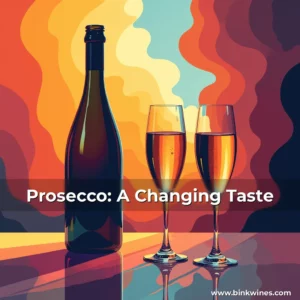
France’s Champagne region remains unrivaled, with its chalky soils and cool climate perfect for cultivating Pinot Noir, Chardonnay, and Pinot Meunier grapes. Italy’s Veneto produces world-famous Prosecco, characterized by high acidity and floral notes.
In Spain, Cava gains popularity through the Penedès region’s innovative approach blending tradition with affordability. Germany’s Sekt offers mineral-driven alternatives made from Riesling and Müller-Thurgau varieties.
Australia’s METHODS+ label showcases bold interpretations of sparkling wine using Shiraz, while New Zealand experiments with Pinot Noir-based cuvées gaining international acclaim.
Emerging markets like South Africa (Savennières) and Argentina continue pushing boundaries with indigenous grape varieties, proving that excellence knows no borders in the sparkling realm.
Decoding Flavor Profiles & Sugar Levels
Sparkling wines span a wide spectrum of sweetness levels, determined by residual sugar content post-fermentation. Recognizing these classifications ensures better pairing choices and personal preferences alignment.
Brut Nature: Drier than most, containing less than 3 g/L of sugar. Often reserved for serious collectors seeking pure expression of base wine.
Extra Brut: Similar to Brut Nature but slightly sweeter at 0–6 g/L. Offers enhanced freshness without overwhelming intensity.
Brut: The most common designation globally, ranging from 0–12 g/L. Strikes ideal balance between dryness and liveliness, suitable for various occasions.
Extra Dry: Despite name suggesting otherwise, contains 12–17 g/L sugar—the sweetest among drier classifications yet still perceived as refreshing.
Dry: Typically features 17–35 g/L sugar, leaning towards perceptible sweetness but maintaining crisp acidity. Popular choice for seafood pairings.
Demisec: Sweetens things up considerably at 35–50 g/L, best enjoyed chilled as dessert accompaniment.
Petillant Naturel: A rustic alternative produced via natural fermentation, featuring irregular bubbles and raw, unfiltered character. Gaining traction among natural wine advocates.
Elevating Pairings Through Culinary Synergy
Selecting optimal food pairings enhances both dish and wine enjoyment. The right combination Extra Brut: Similar to Brut Nature but slightly sweeter at 0–6 g/L. Offers enhanced freshness without overwhelming intensity.
Brut: The most common designation globally, ranging from 0–12 g/L. Strikes ideal balance between dryness and liveliness, suitable for various occasions.
Extra Dry: Despite name suggesting otherwise, contains 12–17 g/L sugar—the sweetest among drier classifications yet still perceived as refreshing.
Dry: Typically features 17–35 g/L sugar, leaning towards perceptible sweetness but maintaining crisp acidity. Popular choice for seafood pairings.
Demisec: Sweetens things up considerably at 35–50 g/L, best enjoyed chilled as dessert accompaniment.
Petillant Naturel: A rustic alternative produced via natural fermentation, featuring irregular bubbles and raw, unfiltered character. Gaining traction among natural wine advocates.
Elevating Pairings Through Culinary Synergy
Selecting optimal food pairings enhances both dish and wine enjoyment. The right combination creates harmony rather than competition between flavors and textures.
Oysters & Champagne remain classic companions due to shared brininess and bright acidity. Soft cheeses like Camembert find joy in Brut-style sparklers that cut through richness without overpowering.
Seafood dishes benefit immensely from sparkling wines’ cleansing properties. Try oyster shooters with brut rosé or lobster bisque paired with demi-sec options adding subtle sweetness.
Fish preparations especially shine alongside sparkling whites. Grilled salmon works wonders with aged blanc de blancs, while sushi pairs beautifully with sake-infused sparkling blends.
Tart desserts such as lemon tarts or berry pies complement brut nature selections emphasizing citrus notes. For richer pastries, opt for demi-sec versions providing gentle counterbalance.
Cheese boards become extraordinary experiences when matched carefully. Blue cheeses thrive beside moscato d’Asti’s honeyed tones, whereas goat cheese finds elegance in brut rosé’s red fruit expressions.
Mastering Service Techniques
Correct serving practices preserve sparkle and enhance overall drinking pleasure. Small adjustments yield noticeable improvements in aroma delivery and mouthfeel.
Glassware selection matters greatly: Flute glasses maintain bubble structure longer compared to wider coupes allowing rapid gas escape. Tulip-shaped goblets offer aromatic concentration akin to white wine tasting vessels.
Temperature control requires precision—chilling below 45°F preserves effervescence while avoiding numbing coldness. Professional cellars maintain consistent temperatures around 50-55°F for long-term aging potential.
Opening rituals deserve attention: Twist gently Always hold bottle upright until ready to pour for minimal sediment disturbance.
Pouring technique
: Angle glass against rim initially, then tilt gradually to fill halfway before straightening. This prevents excessive turbulence disrupting bubble formation. Re-pouring etiquette: If bubbles dissipate significantly, re-chill briefly before pouring again. Never shake bottle unless absolutely necessary; agitation destroys fine mousse texture. Sparkling wine’s journey spans millennia, evolving from accidental discovery to cultural icon status. Its history intertwines with royal courts, scientific advancements, and societal changes. Dom Pérignon’s legacy epitomizes early struggles against nature—his efforts to eliminate unwanted bubbles ironically led to champagne’s creation. By 1689, he developed techniques controlling secondary fermentation safely. Vintage traditions emerged in the 18th century when British aristocrats began storing newly bottled champagnes for extended periods, discovering improved complexity through aging. This practice elevated champagne to luxury status. Industrial revolutions brought mechanization, enabling mass production without sacrificing quality standards. Innovations like crown caps replaced fragile corks, democratizing access to sparkling delights. Cultural symbolism persists today—opening a bottle signals celebration, whether for weddings, birthdays, or mere moments of joy. Sparkling wines transcend beverages becoming rituals themselves. Modern reinterpretations blend heritage with creativity, from Japanese sakes infused with sparkling elements to vegan-friendly organic cuvées appealing to conscious drinkers seeking authenticity. Eco-conscious initiatives increasingly influence sparkling wine production, addressing environmental concerns while maintaining quality benchmarks. Wineries adopt green technologies balancing tradition with responsibility. Biodiversity preservation focuses on protecting native yeasts news is a contributor at BinkWines. We are committed to providing well-researched, accurate, and valuable content to our readers.Historical Evolution & Cultural Significance
Sustainability Trends Shaping Tomorrow’s Sparkling Industry
You May Also Like