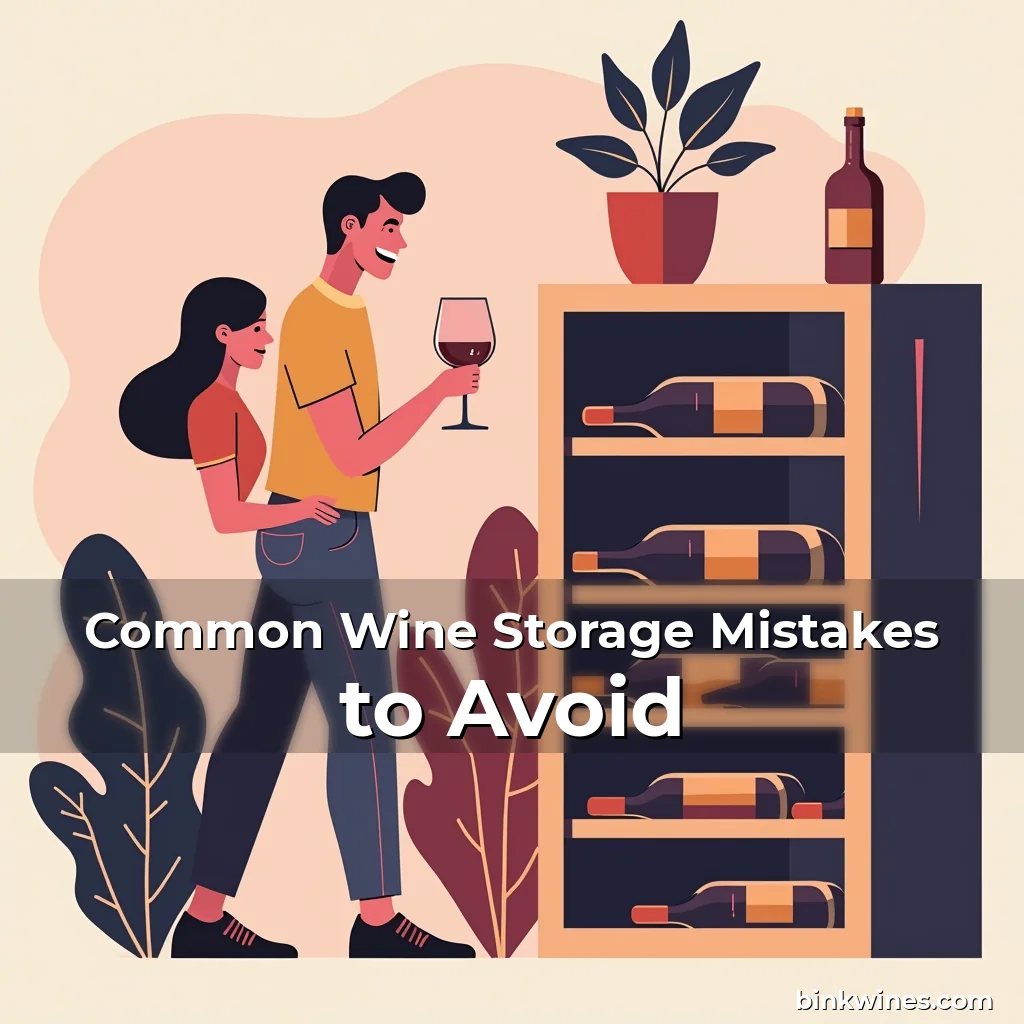
Common Wine Storage Mistakes to Avoid
In the world of wine appreciation, few things are as crucial yet often overlooked as proper storage techniques. Whether you’re a seasoned collector or someone who enjoys an occasional glass, understanding how to store your wines correctly can make all the difference between mediocre and exceptional flavor.
The journey from vineyard to table is delicate, requiring careful handling at every step. One wrong move during storage could ruin years of aging potential or even spoil an entire bottle. By avoiding common mistakes, enthusiasts can ensure their collection remains in top condition for future enjoyment.
The Importance of Temperature Control
Maintaining the right temperature is essential for preserving both red and white wines. Ideal conditions typically range between 12°C and 18°C (54°F to 64°F), allowing bottles to age gracefully without premature deterioration.
Fluctuations within this range can be detrimental; sudden spikes above 20°C may cause volatile compounds to form that alter taste profiles dramatically. Conversely, temperatures below freezing pose serious risks by expanding liquid volume inside sealed containers which might lead to broken corks or leaks.
- Avoid direct sunlight: Prolonged exposure accelerates chemical reactions that degrade quality over time. Store bottles away from windowsills where UV rays penetrate easily through glass panes.
- Use consistent cooling systems: Refrigerators designed specifically for wine offer precise control mechanisms compared to standard household models whose settings fluctuate unpredictably when doors open frequently.
Specialized units maintain stable environments by minimizing vibrations while also offering adjustable shelves tailored towards optimal air circulation patterns around each container.
Humidity Levels Matter More Than You Think
Humidity plays a vital role in maintaining cork integrity—too dry an environment causes natural rubber seals to shrink prematurely, leading to oxidation issues within weeks rather than decades.
Conversely, excessive moisture increases chances of mold growth along wooden shelves or labels adhering improperly due to swelling effects from high humidity levels indoors.
- Aim for 60% relative humidity: This level keeps corks supple enough prevent drying out but avoids condensation problems associated with overly damp spaces.
- Monitor regularly using hygrometers: Digital devices provide accurate readings so adjustments can be made before damage becomes irreversible.
Properly maintained humidity ensures long-term stability by preventing physical changes affecting closure materials used across different types of bottled beverages worldwide.
Vibrations Can Ruin Your Entire Collection
Regular movement disrupts sediment settling processes necessary for maturation stages found primarily among aged vintages. Even minor tremors from nearby appliances significantly impact overall cellaring effectiveness over extended periods.
Stable surroundings promote slower development cycles wherein tannins gradually integrate themselves seamlessly into final product composition rather than becoming harsher elements dominating initial impressions upon opening.
- Choose vibration-free locations: Basements tend offer better insulation against external disturbances unlike upper floors subjected regular foot traffic vibrations.
- Invest in specialized racks: Shelves constructed using shock-absorbing materials reduce transmission rates effectively ensuring minimal disturbance reaches stored contents directly.
By implementing these measures thoughtfully, collectors safeguard investments while enhancing sensory experiences available later down road once matured properly under ideal circumstances.
Light Exposure Is Not Just About Sunlight
Although obvious dangers exist regarding direct sun contact damaging sensitive components inside bottles, indirect lighting sources equally contribute harmful effects through prolonged exposure durations.
Ultraviolet radiation emitted fluorescent tubes or LED panels still contains energy capable causing gradual degradation regardless whether visible light present simultaneously.
- Store in opaque containers: Dark-colored cabinets help block ambient photons entering storage areas reducing cumulative damage risk factors substantially.
- Utilize UV filters on windows: Applying protective films over glass surfaces prevents unwanted wavelengths reaching interior compartments housing precious collections safely.
These precautions collectively mitigate invisible threats working behind scenes slowly eroding value over months rather than immediate catastrophic failures usually associated more commonly with improper handling practices previously discussed earlier.
Storage Orientation Affects Aging Potential
Correct positioning influences internal pressure dynamics influencing cork seal strength indirectly. Horizontal placement allows constant contact between liquid surface and stopper thereby maintaining hydration levels critical for longevity purposes.
Vertical storage exposes upper portion of closures susceptible rapid dehydration occurring especially during colder seasons when evaporation rates naturally decrease due lower environmental temperatures.
- Prioritize horizontal alignment: Bottles kept lying flat preserve equilibrium states required sustained preservation efforts spanning many years ahead.
- Adjust based on climate variations: During summer months increased atmospheric warmth might necessitate temporary reorientation strategies depending local weather forecasts predicting extreme heatwaves impacting regional storage facilities similarly affected globally.
This orientation principle applies universally irrespective geographic location differences although implementation specifics vary slightly according to prevailing climatic parameters characterizing respective regions hosting such valuable assets securely contained within designated repositories throughout history.
Understanding Bottle Types And Their Specific Needs
Different formats require distinct treatment approaches because varying sizes influence interaction potentials existing between enclosed liquids and surrounding mediums. Standard 750ml bottles differ fundamentally from larger magnums needing modified handling protocols accordingly.
Larger volumes possess greater thermal mass meaning they respond sluggishly toward ambient temperature shifts requiring additional safeguards compensating delayed reaction times potentially exposing them vulnerable longer durations compared smaller counterparts reacting instantly.
- Magnum bottles need extra protection: Due higher capacity capacities, these should ideally reside closer center zones within storage units experiencing least fluctuations ensuring uniformity across all specimens housed there together.
- Cork vs screw cap considerations: Traditional closures demand strict adherence humidity guidelines whereas modern alternatives show lesser dependency though still benefitting improved maintenance routines promoting enhanced shelf life characteristics generally observed industry wide today.
Recognizing individual requirements enables personalized care regimens maximizing benefits derived through targeted interventions aligned precisely what each unique type demands optimally functioning under best possible scenarios created deliberately through informed decision making processes involving thorough research beforehand undertaking any new additions becoming part expanded inventory systems managed meticulously everyday basis now onwards.
How To Choose The Right Storage Space For Your Collection
Selecting appropriate premises involves evaluating several key aspects including spatial availability, accessibility needs, and security features. Whether opting basement cellar conversions or dedicated built-in solutions, careful assessment determines suitability effectively addressing multifaceted challenges arising naturally whenever attempting establish permanent archival centers.
Basement options excel due inherent insulating qualities provided earth covering overhead layers protecting against erratic seasonal swings otherwise disrupting delicate balance required successful aging procedures unfolding gradually over lengthy timelines measured annually instead monthly intervals.
- Evaluate space constraints: Measure dimensions accurately determining quantities accommodated comfortably without overcrowding risking structural instability caused improper stacking arrangements exceeding safe load limits imposed building codes regulating residential properties nationwide currently applicable everywhere including urban environments featuring limited square footage allocations.
- Consider access frequency: Frequent visitors benefit from easier retrieval setups facilitating quick selections preferred social gatherings contrasting infrequent users prioritizing stealthy concealment methods deterring casual intrusion compromising privacy expectations held dear among private owners wishing remain discreet concerning personal preferences revealed inadvertently public viewings.
Ultimately, choosing wisely ensures compatibility between chosen venue’s attributes matching intended usage patterns guaranteeing harmonious coexistence enabling seamless operations fulfilling aspirations envisioned initially during conceptualization phases preceding actual construction endeavors commenced subsequent planning discussions conducted thoroughly prior execution stages commencing thereafter.
Tips For Storing Opened Bottles Correctly
Once uncorked, most wines lose freshness rapidly unless preserved appropriately. Proper refrigeration combined sealing methods extends usability beyond typical single-day consumption window normally expected post-opening events marking beginning decline trajectories affecting organoleptic properties progressively worsening thereafter.
Refrigeration slows enzymatic activities responsible spoiling process delaying inevitable deterioration periods allowing continued enjoyment within reasonable timeframe despite partial loss original aromatic intensity experienced initially shortly after first pour.
- Use vacuum pumps: These devices remove excess oxygen helping retain flavors longer however note they do not completely eliminate residual gases which eventually affect texture consistency similar manner regardless intervention applied.
- Transfer remaining wine into smaller containers: Reducing headspace minimizes surface area exposed accelerating rate oxidation thus prolonging shelf life comparatively greater degrees achieved simply storing upright versus horizontal positions alone would achieve independently.
Combining these tactics synergistically enhances results producing noticeable improvements measurable through blind tastings comparing samples treated various combinations aforementioned techniques implemented consistently throughout entire duration preservation efforts undertaken earnestly striving retain maximal quality standards achievable given current technological advancements available marketplace today.
The Role Of Humidifiers In Maintaining Optimal Conditions
Humidifiers play a crucial role in sustaining desired moisture levels particularly in drier climates where natural humidity falls below recommended thresholds necessary keeping corks adequately hydrated preventing shrinkage-induced leakage incidents commonly encountered households lacking adequate ventilation infrastructure supporting steady airflow exchanges efficiently managing microclimates within confined quarters.
Modern digital models equipped automatic sensors adjust output dynamically responding real-time data feeds monitoring ambient conditions ensuring precise regulation without manual intervention required constantly checking gauges manually adjusting settings periodically throughout day-to-night cycle repeatedly occurring routine maintenance tasks consuming significant portions free time otherwise devoted leisure pursuits enjoyed alongside curated wine experiences crafted carefully planned schedules incorporating periodic tasting sessions celebrating milestones attained successfully navigating complex web interrelated variables affecting overall success stories emerging triumphant victories overcoming adversity faced daily struggles confronting ever-evolving landscape contemporary viticulture practices embraced widely internationally nowadays.
- Set target humidity levels: Most experts recommend aiming for approximately 60%-70% RH depending specific needs determined through trial-and-error experiments conducted systematically documenting outcomes obtained varying configurations tested over extended observation periods measuring performance indicators tracking progress incrementally refining strategies continuously improving efficacy achieved goals set forth outset initiating this endeavor.
- Place strategically near corked bottles: Direct proximity facilitates efficient distribution moistures evenly saturating porous materials composing closures uniformly preventing localized dry patches developing creating weak points prone failure sooner than anticipated lifespans projected theoretical calculations assuming perfect conditions never actually realized practically due numerous unpredictable external forces interfering plans laid initially.
Implementing such controls judiciously maintains equilibrium states necessary sustaining health vitality ecosystems thriving symbiotic relationships existing mutually beneficial associations formed naturally occurring phenomena governed immutable laws physics chemistry biology operating concurrently underlying fabric reality perceived externally via sensory modalities interpreted internally generating subjective perceptions shaping human experience profoundly influenced subtle nuances subtly altering overall impression received ultimately deciding whether satisfied sufficiently fulfilled desires sought originally embarked upon this fascinating exploration exploring depths mysteries surrounding art science winemaking craft revered globally esteemed highly celebrated occasions special significance attached celebratory moments commemorating achievements worth remembering forevermore.
Monitoring Systems That Help Track Storage Environments
Advanced monitoring technologies have revolutionized how we manage our wine cellars by providing real-time data on critical parameters like temperature, humidity, and light exposure. These systems enable proactive management ensuring optimal conditions are maintained consistently over time.
Sensors embedded throughout storage areas transmit information wirelessly to centralized displays or mobile apps, alerting owners to deviations requiring attention promptly. This immediacy reduces risks posed by unnoticed fluctuations which could compromise delicate balances established painstakingly cultivated over years.
- Temperature loggers: Devices record historical trends identifying patterns useful diagnosing recurring issues originating mechanical failures demanding repairs scheduled well advance before breakdown occurs unexpectedly during peak usage hours causing inconvenience disruptions interrupting normal operations.
- Smart humidifiers: Integrated with monitoring networks automatically adjust outputs based live feedback loops recalibrating itself dynamically adapting changing environmental dynamics without user input necessary simplifying maintenance routines considerably saving valuable resources spent monitoring manually frequent checks otherwise required traditional methods relying solely visual inspections guessing approximate values estimating roughly current status rather than knowing exact figures.
Such innovations transform passive storage into active guardianship empowering individuals take charge responsibilities entrusted caring possessions responsibly diligently exercising vigilance necessary securing future generations inherit legacy treasured deeply cherished irreplaceable treasures passed down familial lines proudly displayed prominently within homes serving reminders perseverance dedication invested nurturing passions ignited young ages growing steadily maturity adulthood enduring lifelong commitments honored faithfully upheld relentlessly pursued passionately lived fully enriched lives immeasurable joy happiness stemming lovingly shared pleasures savored intimately closely bonded connections forged friendships strengthened through mutual interests kindred spirits drawn together shared love fine wines exquisite craftsmanship honed skillful hands patiently waiting reveal secrets only time unveils magnificently.
Creating An Effective Storage Layout
An organized layout maximizes space efficiency while promoting easy access to your collection. Strategic shelving placements consider height restrictions, aisle widths, and visibility factors contributing towards functional aesthetics benefiting both practicality appearance enhancements appealing visually pleasing environments encouraging frequent visits appreciating beauty orderliness cultivated intentionally through thoughtful design choices reflecting personal style tastes manifesting clearly evident throughout every corner room inhabited exclusively purpose designed solely housing invaluable holdings acquired selectively discerningly over lifetime journeys traversed countless kilometers miles seeking finest expressions nature bottled elegantly presented elegant packages containing liquid gold awaiting momentous occasion unveiling splendor hidden beneath unassuming exteriors concealing profound complexities unraveled slowly sipped appreciated wholly consumed savoured entirely experienced comprehensively understood intellectually grasped emotionally felt spiritually elevated transformed ordinary evenings extraordinary memories indelibly etched minds hearts souls forevermore.
Ensuring clear pathways prevents accidental collisions damaging fragile items accidentally knocked over due careless movements executed hastily without considering consequences resulting costly replacements painful lessons learned hard way emphasizing necessity foresight prevention superior alternative reactive solutions dealing aftermath disasters avoided altogether through prudent preparation meticulous organization cultivating habits ingrained permanently habitually followed religiously obeyed strictly enforced uncompromisingly maintained resolutely protected zealously guarded fiercely defended honorably respected reverentially worshipped sacredly treated.
- Label everything: Clear markings assist locating specific bottles quickly eliminating guesswork wasted searching endlessly fruitless attempts finding desired vintage buried deep recesses forgotten corners neglected areas collecting dust accumulating over years ignoring presence silently watching patiently waiting rightful moment recognition bestowed deserved acclaim rightfully earned through unwavering devotion steadfast commitment unyielding resolve persisting tirelessly pursuing excellence relentlessly striving perfection ceaselessly chasing horizon always moving forward never looking back.
- Group by region or varietal: Organizing collections geographically or stylistically streamlines selection processes allowing intuitive navigation selecting preferred types effortlessly discovering new favorites organically encountering unexpected delights surprising pleasant surprises rewarding curiosity piqued initial glances leading deeper explorations uncovering hidden gems nestled amidst familiar faces known quantities comfortable territories venturing boldly outside comfort zones embracing adventuresome spirit fearless experimentation boldness rewarded generously abundantly profusely lavishly showered blessings bestowed freely eagerly welcomed enthusiastically embraced wholeheartedly accepted gratefully acknowledged sincerely thanked profoundly grateful.
With thoughtful arrangement, your wine storage becomes not just a repository but a testament to your passion—a place where every bottle tells its own story, ready to be discovered and enjoyed anew each time you visit.
The Impact Of Time On Stored Wines
Time is perhaps the most powerful factor influencing how wines evolve in storage. While some varieties thrive under extended aging, others deteriorate rapidly unless stored under optimal conditions. Understanding this dynamic helps collectors determine which bottles warrant long-term investment versus those meant for early consumption.
Red wines, especially full-bodied ones like Cabernet Sauvignon or Bordeaux blends, often benefit from aging as tannins soften and secondary aromas develop. However, lighter styles such as Pinot Noir or Gamay rarely improve with time and should be drunk within a couple of years.
- Knowledge is power: Researching specific varietals’ aging potential informs decisions about which bottles to store for years versus those best enjoyed younger. This knowledge prevents disappointment from expecting improvement where none exists.
- Create aging charts: Tracking the progression of wines over time through notes, photos, or tasting records provides insight into how different storage conditions affect evolution. These records become invaluable references for future purchases or adjustments to storage practices.
Moreover, time interacts with other storage factors like temperature and humidity. Even the best-stored wine will inevitably change over time, sometimes dramatically. Monitoring these interactions helps ensure that aging enhances rather than detracts from the wine’s quality.
While some wines flourish in the right conditions over decades, others require careful management to avoid unnecessary deterioration. Recognizing these distinctions allows enthusiasts to curate collections that truly reflect their evolving palates and appreciation for complexity in wine.
Finding Balance Between Cost And Quality In Storage Solutions
Creating an effective storage system doesn’t necessarily mean investing in expensive equipment. Many affordable solutions exist that provide excellent results without breaking the bank. Balancing cost and functionality is essential for both novice collectors and those with extensive libraries.
For example, commercial wine coolers come in various price ranges, with entry-level models suitable for small collections. These units offer basic temperature control and are often sufficient for beginners looking to maintain stable conditions without advanced features.
- DIY storage ideas: Simple modifications like adding insulation to cupboards or using undersink chillers can create mini-cellars costing far less than dedicated cooling systems. These solutions work well for those with limited budgets or space constraints.
- Optimize existing spaces: Utilizing unused rooms, attics, or basements can provide ample storage without upfront costs. Ensuring these areas meet fundamental storage criteria—temperature, humidity, darkness—is key to their viability.
Additionally, there are smart storage accessories that enhance affordability. Vacuum-sealed bags, reusable silicone covers, and inexpensive thermometers allow for precise monitoring without significant expenditure. These tools support effective storage while staying within budget-friendly parameters.
It’s also wise to prioritize expenses based on needs. High-end units may be justified for extensive collections, but for smaller sets, focusing on basics suffices. Assessing what matters most—whether it’s temperature precision, humidity control, or security—helps allocate funds effectively.
By adopting creative, budget-conscious approaches, enthusiasts can enjoy professional-grade storage without compromising on quality or sacrificing long-term enjoyment of their wines.
Community Resources And Support For Wine Enthusiasts
Engaging with fellow wine lovers offers immense benefits, from gaining knowledge to sharing experiences. Fortunately, numerous online communities, forums, and local groups cater to enthusiasts at all levels, fostering camaraderie and learning opportunities.
Online platforms such as Reddit’s r/wine or specialized forums provide spaces for discussing storage tips, troubleshooting issues, and discovering new vintages. These virtual spaces encourage interaction, allowing members to exchange advice and recommendations tailored to their specific situations.
- Join regional wine clubs: Local organizations host tastings, workshops, and educational seminars focused on storage and aging. Participating in these events offers hands-on learning and networking opportunities with knowledgeable peers.
- Attend virtual classes: Online courses from reputable institutions cover topics ranging from cellaring fundamentals to advanced storage techniques. These programs are accessible anytime, accommodating busy schedules.
Many wineries also maintain memberships or subscription services offering exclusive access to rare bottlings, expert guidance, and storage solutions. Engaging with these resources expands horizons, introduces novel perspectives, and strengthens collective expertise within the community.
Furthermore, social media groups serve as vibrant hubs for real-time discussions, reviews, and updates on emerging trends. Following influencers or joining Facebook groups dedicated to wine storage connects individuals with passionate advocates who share insightful tips and experiences regularly.
Whether online or offline, connecting with others fosters a supportive network that enriches the journey of wine appreciation. These communal efforts turn solitary hobbies into shared joys, transforming simple acts of drinking into meaningful cultural experiences.
The Future Of Wine Storage Technology
As technology advances, innovative solutions continue reshaping how we approach wine storage. Emerging developments promise smarter, more efficient ways to maintain optimal conditions, making premium storage accessible to wider audiences.
One notable trend is the integration of artificial intelligence (AI) in monitoring systems. AI-powered devices analyze vast datasets collected from sensors, predicting potential issues before they arise. These predictive capabilities minimize risks by suggesting preemptive actions based on historical patterns and current conditions.
- IoT-enabled devices: Internet of Things (IoT) technology allows remote monitoring and adjustment of storage environments. Users receive instant notifications on smartphones or tablets, ensuring prompt responses to any deviation from ideal parameters.
- Automated climate control: Advanced thermostats and humidifiers self-regulate based on real-time data, maintaining consistent environments without manual oversight. This automation reduces human error and conserves energy by optimizing resource use efficiently.
Additionally, sustainable innovations are gaining traction, aligning storage practices with eco-friendly principles. Solar-powered cooling systems, biodegradable packaging materials, and energy-efficient appliances contribute to greener storage solutions without compromising performance.
Virtual reality (VR) and augmented reality (AR) applications further enhance education and engagement. VR simulations allow users to explore ideal storage environments virtually, while AR overlays provide interactive guides on proper storage techniques directly onto physical spaces.
Looking ahead, these technological strides democratize access to premium storage, empowering enthusiasts to preserve their collections with unprecedented accuracy and ease. As these innovations evolve, they redefine what’s possible in the realm of wine storage, ensuring that quality remains intact for generations to come.
Conclusion
Proper wine storage is a nuanced practice that requires attention to detail, patience, and ongoing education. From controlling temperature and humidity to managing vibrations and light expo
By avoiding common pitfalls and embracing thoughtful strategies, you safeguard not only the financial investment in your wines but also the pleasure they bring when finally opened. Investing time in understanding these principles transforms wine storage from a mere logistical task into an integral part of the broader appreciation for fine wines.

news is a contributor at BinkWines. We are committed to providing well-researched, accurate, and valuable content to our readers.